- +91 95890 15575
- office@lumierefenestration.com

Welcome to Ascendia
uPVC Windows by Ascendia India
+91 95890 15575
Engineered uPVC window systems designed for Indian climate conditions — heat, humidity, rain, and noise. Explore window types, configurations, and use cases before choosing the right system.
Book a Free Site Visit
German-Powered System Windows. Engineered for Comfort. Built for Decades.

Designed for India’s coastal climate and modern interior styles, these sliding systems deliver:
- Precise German hardware operation
- Multi-chamber thermal insulation
- Structural strength with GI steel
- Soundproofing up to 40 dB
- Zero-maintenance longevity.
- UV & salt-resistant durability
What Are uPVC Windows?
uPVC (Unplasticized Polyvinyl Chloride) is a high performance, rigid, weather-resistant polymer that forms the structural core of modern window and door systems. Unlike standard PVC, uPVC contains no plasticizers — the additives that make regular PVC flexible and prone to deformation over time. The result is a dimensionally stable material that holds its shape, colour, and structural integrity across decades of thermal cycling, moisture exposure, and mechanical load.
This is why uPVC has become the material of choice for window systems across Europe, the Middle East, and increasingly across India — particularly in climates like Kerala's, where heat, monsoon humidity, salt air, and UV radiation systematically degrade wood and metal alternatives.
Material properties
- Does not corrode or oxidize
- Does not warp under humidity or heat
- Does not require repainting or refinishing
- Provides superior thermal efficiency over aluminium
- Delivers strong acoustic insulation
- Resistant to termites, salt air, and coastal conditions
How Ascendia builds on this
The material is only the starting point. A uPVC window's real performance comes from how the
system is engineered around it. Ascendia uPVC systems incorporate:
- European-standard multi-chamber profile geometry
- GI steel reinforcement (1–1.5mm), ISO-tested
- EPDM double-gasket sealing on all sashes
- German multipoint locking hardware (Siegenia & G-U)
- Renolit UV-stable surface film for long-term colour integrity
This results in a window system that stays airtight, silent, smooth in operation, and visually refined — even under Kerala's humidity, monsoon intensity, and coastal salt conditions.
For a deeper look at the material science, see our guide on how uPVC windows work and why Indian homes prefer them.
Unlike wood or aluminium, uPVC
- Does not corrode or oxidize
- Resists heat, humidity, and moisture
- Requires very little maintenance
- Provides superior thermal efficiency
- Delivers strong acoustic insulation
Ascendia uPVC systems incorporate:
- European-standard profile geometry
- Multi-chamber insulation technology
- EPDM double sealing
- GI steel reinforcement (1–1.5mm)
- German multipoint locking and hardware systems
Types of uPVC Windows We Offer
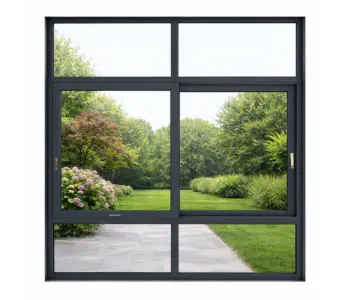
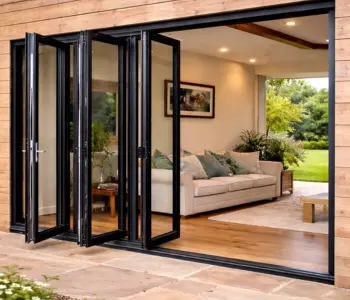
Ascendia manufactures all major window styles, each available in multiple sizes, thicknesses, and customization options.





How to Choose the Right uPVC Windows for Your Home
Choosing uPVC windows isn’t really about the brand name or how the window looks on a brochure. What matters is how the window will actually be used every day. Things like ventilation, opening size, outside noise, and long-term maintenance play a much bigger role than appearance alone.
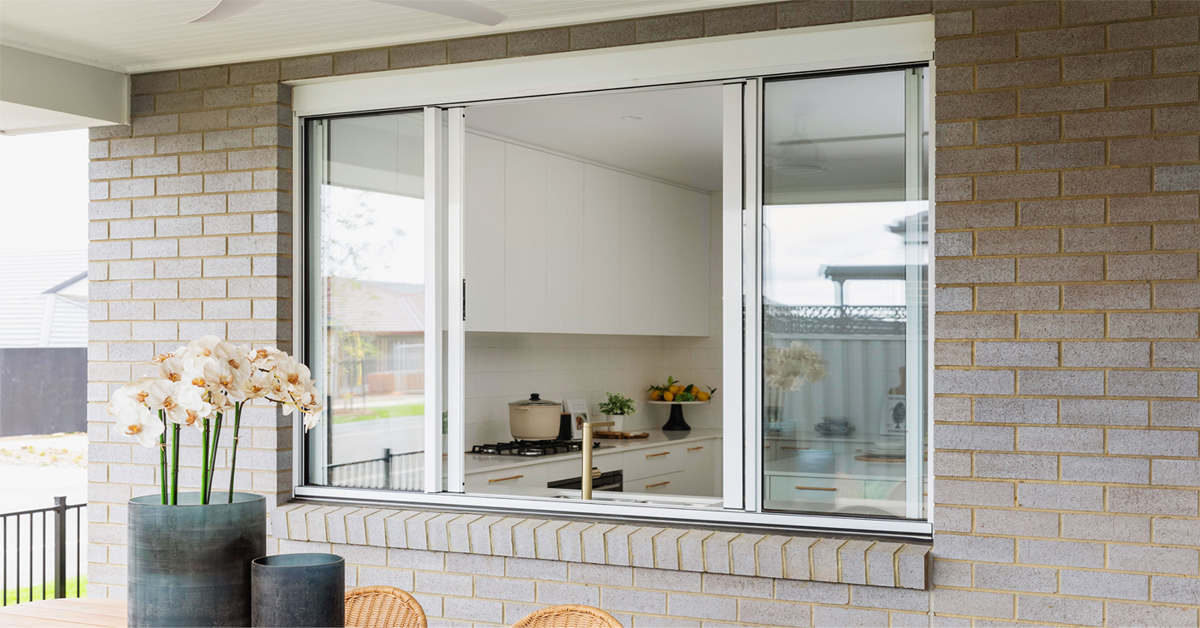
For larger openings such as balconies or living rooms, sliding uPVC windows are usually the most practical option. They don’t occupy extra space when opened and are easy to operate, making them suitable for wide spans and regular use.
In bedrooms and spaces where airflow and tight sealing are more important, casement uPVC windows tend to perform better. Since they open on hinges, they allow more controlled ventilation and close more tightly, which helps with noise reduction and weather protection.
When safety, easy cleaning, or controlled ventilation is a priority—especially in apartments—Tilt and turn uPVC windows are often preferred. Fixed uPVC windows are commonly used in areas where ventilation isn’t required and the main goal is to bring in natural light or maintain an uninterrupted view.
In the end, the right uPVC window choice depends on how often the window will be opened, how much air movement the space needs, and how exposed it is to noise, rain, and sunlight. This is why selecting the right window system matters far more than choosing a design based
on looks alone.
For a room-by-room specification walkthrough, read our system-based guide to choosing uPVC windows for Indian homes.
What Determines the Performance of uPVC Windows
uPVC window performance is not defined by the frame material alone. It depends on how the entire system is configured and installed.
Profile thickness and internal chamber design affect structural strength and insulation. Steel reinforcement inside the profile is what allows the window to handle large sizes and long-term load without sagging. Thin or poorly reinforced profiles may look similar but behave very differently over time.
Sealing systems play a major role in waterproofing and noise reduction. Properly designed gaskets and tight tolerances prevent air and water leakage, especially during heavy rain and wind.
Glass selection has the biggest impact on comfort. Single glass mainly provides enclosure. Double glazing improves thermal insulation. Laminated glass helps reduce outside noise significantly. The combination of the right glass with proper sealing is what delivers real performance—not the frame alone.
This is why two uPVC windows that look similar can perform very differently in real-world conditions.
Most buyers focus on frame colour and price. See the 7 factors most buyers miss when evaluating uPVC systems before deciding.

Why uPVC Windows Are Better Than Wood & Aluminium
| Feature | Ascendia uPVC Windows | Aluminium Windows | Wooden Windows |
|---|---|---|---|
| Thermal proofing | ⭐⭐⭐⭐⭐ Excellent | ⭐ Poor | ⭐⭐⭐ Moderate |
| Soundproofing | ⭐⭐⭐⭐ Strong | ⭐⭐ Average | ⭐⭐⭐ Moderate |
| Maintenance | Zero | Medium | High |
| Weather Resistance | Excellent in humidity & rain | Good | Weak |
| Lifespan | 25–40 years | 20–30 years | 5–10 years |
| Corrosion | No corrosion | Corrodes near coast | Can rot |
| Cost Efficiency | Very high | Medium | Low |
For a detailed breakdown of cost, performance, and long-term value, read our full comparison of uPVC vs aluminium windows.
If you want insulation, zero maintenance, and long lifespan, uPVC beats aluminium and wood by a large margin
Why Ascendia Wins:
- Multi-chamber insulated profiles
- German-engineered locking systems
- Structural reinforcement
- Advanced sealing architecture
- UV stable profile powered by Renolit
Ascendia uPVC Windows
What Makes Us Different?
We engineer complete German-powered window systems with:

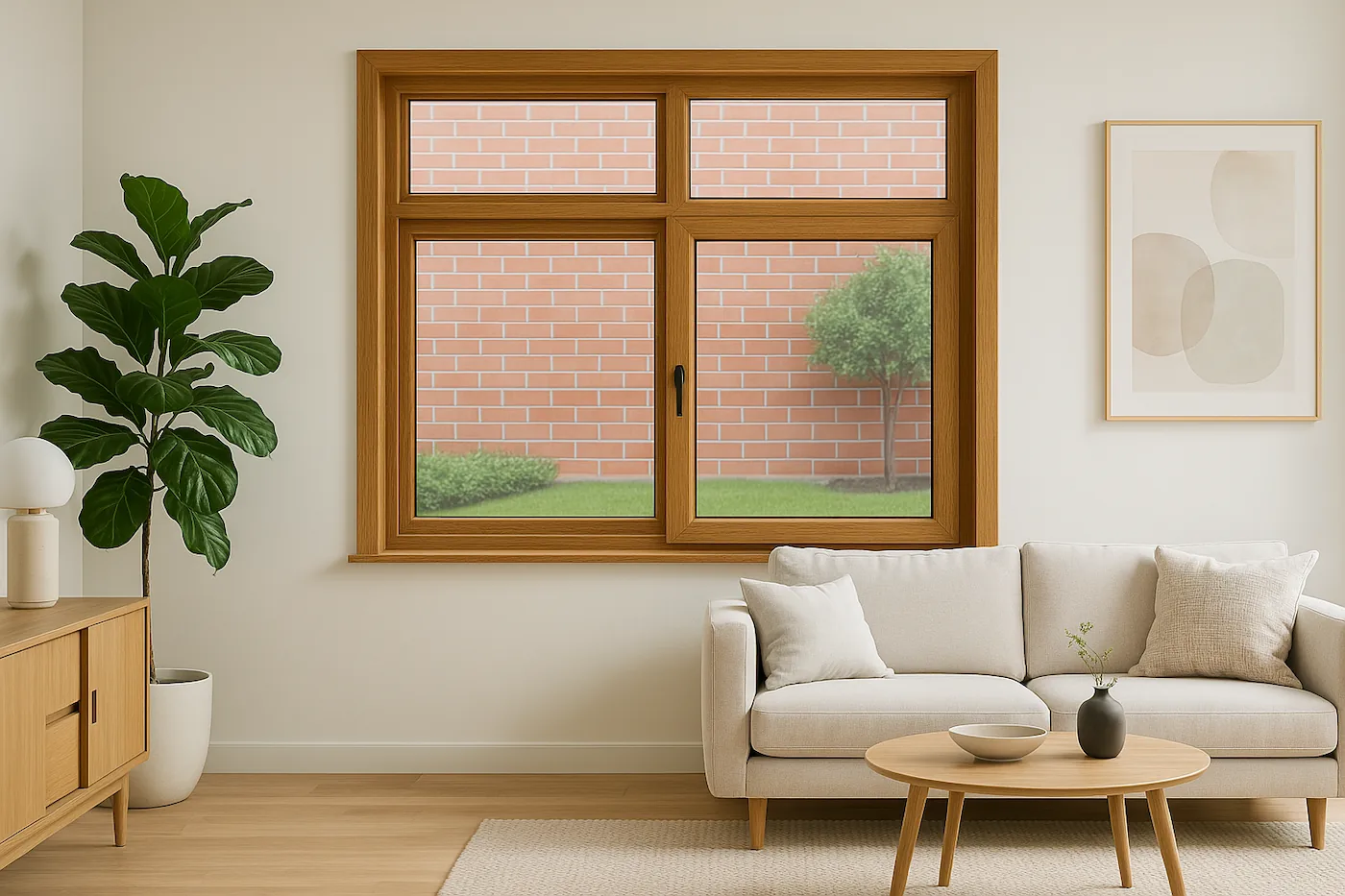
System Architecture
profile + reinforcement + gasket + hardware + glazing + sealing → calibrated for perfect performance.
German Hardware Integration
- Siegenia (Germany) – specialists in tilt-turn, sliding & multipoint mechanisms
- Gretsch-Unitas G-U (Germany) – global leader in locking systems & operational hardware.
Advanced Surface Technology (Renolit)
- UV resistance
- Long-term colour stability
- Scratch resistance
- Woodgrain, matte, metallic textures
Precision Manufacturing
Long-Term Performance Assurance
- 10-year complete system warranty
- 20-year weathering warranty on select technologies
Our uPVC Window Systems &
Flagship Products

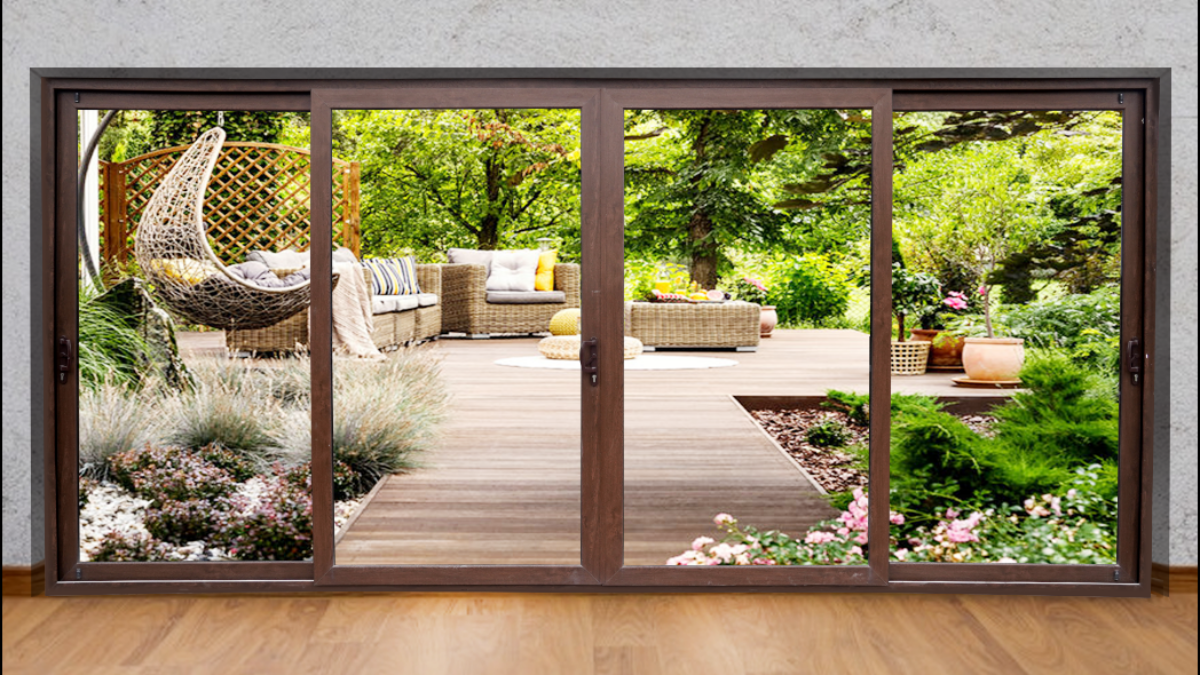
TerraGlide 180
TerraGlide 180 is a sleek sliding door that seamlessly connects indoor and outdoor spaces, combining smooth operation with modern aesthetics.
Dimension
Window Size
Min Width 1350 mm
Max Width 3600 mm
Min Height 450 mm
Max Height 2400 mm
Sash Size
Min Width 450 mm
Max Width 1200 mm
Min Height 450 mm
Max Height 2400 mm
Profile
uPVC
Enhanced 62 Series
Wall Thickness
2.4 mm
Glazing
Glass Thickness
4mm-16mm, 18mm, 20mm
Single Glazing
Yes
Double Glazing
22mm-30mm,32,33,34,35,36,37,38,40
Design Spec
Wind Load
2400 Pa
Bug Mesh
Yes
Hardware
Yale/GU
Colour
All Colors
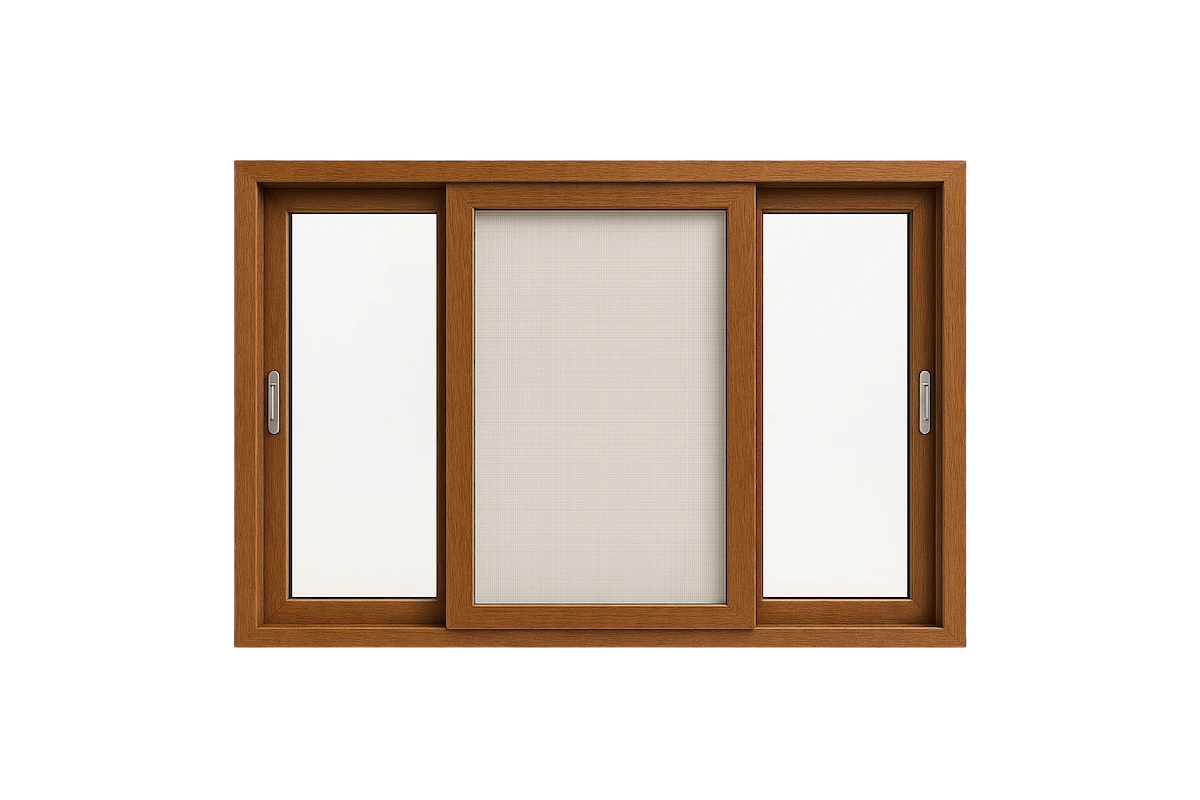
GlideShield Max
GlideShield Max offers smooth sliding performance with a variety of aesthetic color choices, enhanced by an integrated mosquito net for added comfort and protection.
Dimension
Window Size
Min Width 900 mm
Max Width 2400 mm
Min Height 450 mm
Max Height 1800 mm
Sash Size
Min Width 450 mm
Max Width 1200 mm
Min Height 450 mm
Max Height 1800 mm
Profile
uPVC
Enhanced 62 Series
Wall Thickness
2.4 mm
Glazing
Glass Thickness
4mm-16mm, 18mm, 20mm
Single Glazing
Yes
Double Glazing
22mm, 24mm
Design Spec
Wind Load
2400 Pa
Bug Mesh
Yes
Hardware
Yale/GU
Colour
All Colors

GlideMaster 180
GlideMaster 180 combines effortless sliding performance with a range of aesthetic color choices, adding strength and elegance to your space.
Dimension
Window Size
Min Width 900 mm
Max Width 2400 mm
Min Height 450 mm
Max Height 1800 mm
Sash Size
Min Width 450 mm
Max Width 1200 mm
Min Height 450 mm
Max Height 1800 mm
Profile
uPVC
Enhanced 62 Series
Wall Thickness
2.4 mm
Glazing
Glass Thickness
4mm-16mm, 18mm, 20mm
Single Glazing
Yes
Double Glazing
22mm, 24mm
Design Spec
Wind Load
2400 Pa
Bug Mesh
No
Hardware
Yale/GU
Colour
All Colors

GlidePro
GlidePro transforms your living space with seamless functionality and refined style for an elevated everyday experience.
Dimension
Window Size
Min Width 900 mm
Max Width 1500 mm
Min Height 450 mm
Max Height 1500 mm
Sash Size
Min Width 450 mm
Max Width 750 mm Min
Height 450 mm Max
Height 1500 mm
Profile
uPVC
Essentials 50 Series
Wall Thickness
2.4 mm
Glazing
Glass Thickness
4mm, 5, 6, 8, 10, 12, 14, 16mm
Single Glazing
Yes
Double Glazing
No
Design Spec
Wind Load
1500 Pa
Bug Mesh
No
Hardware
Kinlong
Colour
Pristine White

GlideShield+
GlideShield enhances your space with smooth sliding functionality and an integrated mosquito net, ensuring comfort, protection, and modern elegance.
Dimension
Window Size
Min Width 900 mm
Max Width 1500 mm
Min Height 450 mm
Max Height 1500 mm
Sash Size
Min Width 900 mm
Max Width 1500 mm
Min Height 450 mm
Max Height 1500 mm
Profile
uPVC
Essentials 50 Series
Wall Thickness
2.4 mm
Glazing
Glass Thickness
4mm, 5, 6, 8, 10, 12, 14, 16mm
Single Glazing
Yes
Double Glazing
No
Design Spec
Wind Load
1500 Pa
Bug Mesh
Yes
Hardware
Kinlong
Colour
Pristine White

What determines the price of uPVC windows?
uPVC window pricing varies significantly across the market — and understanding why is more useful than comparing numbers alone. Two windows that look identical in a brochure can be engineered very differently, perform very differently, and cost very differently over their lifetime. The price you see reflects the decisions made inside the system — decisions that are invisible until the window has been installed for a few years.
These are the factors that actually determine what a uPVC window costs, and why they matter.
Profile system & chamber design
The uPVC profile is the structural backbone of the window. Profiles are manufactured with internal chambers — hollow compartments that run the length of the frame and sash. More chambers mean better thermal insulation, better structural rigidity, and greater resistance to deformation under load. A 50mm profile and a 62mm profile may look similar from the outside, but they behave very differently over a 20-year span in a coastal or high-humidity environment.
Deeper profiles with more chambers cost more to manufacture. That cost is reflected in the window price — and in the window's long-term performance.
Steel reinforcement
Inside every uPVC profile, there should be a steel reinforcement insert — a cold-formed GI steel section that provides the structural core. This reinforcement is what allows a window to span large openings without sagging, and what keeps the frame square and airtight after years of repeated opening, closing, and thermal expansion.
Reinforcement thickness matters. Thinner inserts reduce cost at the fabrication stage, but result in frames that lose alignment over time — affecting sealing, hardware operation, and weather performance. Higher-grade reinforcement adds to the upfront price and removes a significant source of long-term failure.
Glazing type
Glass contributes more to a window's functional performance than any other single component — and it is the most significant variable in pricing. The main options:
Single glass — provides basic enclosure. Lowest cost. Minimal thermal or acoustic performance.
Toughened glass — safety-rated. Required in ground-floor openings, bathrooms, and large-span installations. Harder to break, shatters safely when it does.
Laminated glass — two glass layers bonded with an interlayer. Significantly reduces external noise transmission. Also provides security benefits — the interlayer holds shattered glass in place.
Double Glazed Unit (DGU) — two glass panes with an air or argon-filled gap. The most effective option for thermal insulation. Reduces heat transfer, lowers air conditioning load, and stabilises indoor temperatures. The right choice for most Kerala homes, particularly in west-facing or sun-exposed rooms.
Reflective / Low-E glass — coated glass that limits solar heat gain. Particularly effective in rooms with high sun exposure where DGU alone is insufficient.
The right glazing choice depends on the room, its orientation, the surrounding environment, and the primary performance need — noise, heat, safety, or a combination. A system built around the correct glass specification will outperform a more expensive frame with the wrong glass every time.
Hardware quality
Hardware — hinges, handles, locking mechanisms, and rollers — is what you interact with every single day. It is also what fails first in a low-quality system. German-engineered hardware from manufacturers like Siegenia and G-U is designed for hundreds of thousands of operating cycles without loss of alignment or locking integrity. Hardware from unverified sources may function acceptably at installation and degrade within a few years — causing misalignment, poor sealing, and security vulnerabilities that are expensive to correct.
Hardware grade directly affects the price of a window system. It is also the component that most influences daily experience and long-term reliability.
Installation quality
A well-engineered uPVC window installed poorly will underperform a modest window installed correctly. Air leakage, water seepage, noise infiltration, and operational problems — rattling shutters, condensation, draught — are nearly always installation failures, not product failures.
Precision installation involves laser measurement before fabrication, correct anchoring into the structural opening, proper sealing at all interfaces, and calibrated hardware adjustment after fitting. It takes longer and costs more than a fast installation. It is also the difference between a window that performs to specification for decades and one that develops problems within the first monsoon season.
System completeness
A uPVC window is not a frame. It is a system — profile, reinforcement, gaskets, hardware, glass, sealant, and installation — all calibrated to work together. When any element is specified below the level of the others, the weakest component limits the performance of the whole.
This is why the most important question when evaluating a uPVC window is not "what is the price per square foot?" but "what is inside the price?" Ascendia delivers every window as a complete, engineered assembly — not a set of components assembled on site by the lowest available labour. The total cost reflects the total system, not a single line item.
See our uPVC vs aluminium price breakdown for India to understand how total cost compares across a full home installation.
Features & Benefits of
Ascendia
uPVC Windows
- German Hardware + Precision Engineering Handles, locks, and mechanisms engineered for seamless motion
- Acoustic Comfort Perfect for homes near highways, cities, airports, or busy residential lanes.
- Multi-Chamber Thermal Efficiency Reduces heat transfer → lower AC usage → improved energy savings.
- Weatherproofing for Kerala’s Climate Engineered to withstand monsoons, humidity, and coastal air.
- High-Security Systems Multipoint locks + GI cold formed reinforced steel cores + impact-resistant glazing
- Long-Term Durability Zero rust, zero warping, zero repainting for decades.
How Ascendia uPVC window installation works
A window system is only as good as the process that delivers it. The profile, glass, and hardware can all be specified correctly — and still underperform if the measurement is off by a few millimetres, the anchoring is rushed, or the sealing is incomplete. Every Ascendia installation follows a defined five-stage process because performance is not a product feature. It is an outcome of how the entire system is engineered, built, and fitted. Installation is where most uPVC window problems originate. Learn why installation quality determines window performance — and what to watch out for.
Site survey and technical assessment
Every project begins with a trained Ascendia technician visiting the site before any fabrication begins. The purpose is not to take simple measurements. It is to understand the building — wall construction type, opening condition, structural depth, wind exposure, floor height, ventilation requirements, and acoustic environment. This information determines not just the window size but the correct system specification: profile depth, reinforcement grade, glass type, hardware configuration, and drainage design. A 15th-floor apartment facing the sea needs a different specification than a ground-floor bedroom in the same building. The site survey is where those decisions are made.
System design and quotation
Based on the site assessment, Ascendia recommends the specific system for each opening — not a single product applied uniformly across the project. Window type, profile series, glazing specification, hardware selection, and surface finish are all determined by actual use and exposure conditions. The quotation you receive reflects the complete engineered assembly: profile, reinforcement, gaskets, glass, hardware, installation, and warranty. There are no unbundled components or hidden installation add-ons.
CNC precision fabrication
Once the design is confirmed and measurements are locked, fabrication begins in Ascendia’s workshop under controlled conditions. uPVC profiles are cut to exact tolerances using CNC machinery — eliminating the manual cutting variance that causes misalignment, poor sealing, and operational problems in site-fabricated windows. Steel reinforcement is inserted and secured, hardware is integrated into the profile, and each unit is assembled and checked before leaving the workshop. What arrives on site is a finished window system, not a set of components to be assembled in an open-air environment.
On-site installation and calibration
Installation is carried out by Ascendia’s trained installation teams, not subcontracted to general labour. Frames are anchored into the structural opening using appropriate fixings for the wall type — masonry, RCC, or lightweight construction. Drainage channels are aligned and cleared. All frame-to-wall interfaces are sealed with weather-grade sealant to prevent water ingress at the perimeter — this joint is the most common source of leakage in poorly installed windows and receives specific attention. After the frame is set, each sash is fitted and hardware is calibrated for smooth operation, correct compression against the gasket, and proper locking engagement. No sash leaves site in an uncalibrated condition.
Quality inspection and warranty handover
Before the installation team leaves site, every window is checked against a defined completion standard: sash alignment, sill and head clearance, locking mechanism engagement, drainage channel clearance, perimeter seal integrity, and hardware operation across the full range of motion. Any adjustment required is made on the spot. The homeowner or project manager receives a walkthrough of the installed system — how to operate each window type, what the warranty covers, and the correct cleaning and maintenance procedure. Warranty documentation — 10-year system warranty and 20-year weathering warranty on Renolit surface technology — is handed over at this stage, not posted later.
Learn about our warranty and after-sales support
Where Do uPVC Windows
Work Best?
- Apartments, High-rise buildings, Villas, Independent homes, Renovation projects
- Offices, Hospitals, Schools, Hotels & resorts, Retail spaces, Industrial buildings
Climate-Specific Uses
- Coastal regions, High-rainfall areas, Hot and humid zones
Technical Specifications
Profile Depths
- 50mm and 62 mm
Reinforcement
- GI steel reinforcement (1–1.5 mm), ISO-tested.
Hardware
- Siegenia & G-U engineered mechanisms
Glazing Options
- Toughened, Laminated, Double Glazed Units, Reflective, Frosted
Why Choose Ascendia for
uPVC
Windows?
- German-powered systems
- 24 engineered models across 12 premium series
- World-class hardware brands: Siegenia & G-U
- Renolit surface technology for UV protection
- 10-year system warranty
- 20-year weathering warranty
- Precise installation standards
- Excellent after-sales service
Architects and villa owners choose Ascendia because we engineer windows for long-term performance, not short-term installation.
Frequently Asked Questions
What is the lifespan of uPVC windows?
If the profile and installation are done properly, 20 to 40 years is a realistic expectation. Older installations continue functioning well with only minor hardware servicing over that period. Where problems arise, the cause is almost always low-grade profiles, insufficient steel reinforcement, or poor installation — not a failure of uPVC as a material. Ascendia backs every system with a 10-year complete system warranty and a 20-year weathering warranty on select surface technologies.
Are uPVC windows waterproof?
Yes. uPVC windows are fully sealed systems with built-in water drainage channels at the frame base. When correctly installed with proper sill and jamb sealing, they prevent water ingress even during heavy monsoon rain and driving wind. Water leakage in uPVC windows is almost always an installation issue — not a product failure.
Can uPVC windows reduce noise?
They can — but only when the system is correctly specified. The uPVC frame alone does not block noise. Noise reduction comes from the combination of proper multi-point sealing, EPDM gaskets, and the right glass selection. With laminated glass, noise reduction of up to 40 dB is achievable. In highway-facing, city centre, or high-density residential locations, a correctly configured uPVC system with laminated or double-glazed units makes a clearly noticeable difference to indoor sound levels.
Are uPVC windows good for Kerala’s climate?
Yes — and Kerala’s climate is precisely the environment uPVC is engineered for. The combination of high humidity, heavy seasonal rainfall, coastal salt air, and intense UV exposure systematically degrades wood frames and corrodes aluminium over time. uPVC is chemically inert to all of these conditions. It does not absorb moisture, does not oxidise, and does not change dimensionally under thermal load. For homes in Kochi, Thrissur, Kozhikode, and other coastal or high-humidity zones, uPVC is the most durable long-term choice.
Are uPVC windows good for coastal Kerala?
Coastal environments are particularly demanding — salt-laden air accelerates corrosion in metal window systems and causes paint failure and timber rot in wooden ones. uPVC profiles are unaffected by salt air. The material does not corrode, and the Renolit UV-stable surface used on Ascendia systems is specifically rated for long-term colour and structural stability in coastal and high-humidity exposure. German hardware components used in Ascendia systems are also treated for corrosion resistance. For homes within 500 metres of the coastline, uPVC is not just a good option — it is the correct specification.
Do you offer installation?
Yes. Ascendia provides complete end-to-end service — site survey and laser measurement, system design and fabrication, on-site installation and hardware calibration, and post-installation quality check with warranty documentation. We do not supply frames for third-party installation. Every Ascendia window is installed by trained Ascendia teams to ensure the system performs to specification from the first day.
Can I customize the window colour?
Yes. Ascendia uPVC windows are available in white, grey, black, anthracite, and a range of wood-grain finishes including rosewood and golden oak. Colours are applied through Renolit surface foil technology, which bonds a UV-resistant colour layer permanently to the profile — not painted on. This ensures the finish does not peel, fade, or require repainting over the life of the window.
Do uPVC windows turn yellow?
Not when the profile is correctly UV-stabilised. Yellowing is a problem associated with low-grade uPVC that uses insufficient UV stabiliser content. Ascendia profiles use Renolit-laminated surface technology rated for 20 years of colour stability under direct sun exposure. If you see yellowing in an installed uPVC window, it is a sign of a low-quality base profile — not a property of uPVC as a material.
Are grills possible with uPVC windows?
Yes. Grills can be incorporated into uPVC window designs without compromising the structural integrity of the frame or the performance of the sealing system. Both internal and external grill configurations are available. The grill style, pattern, and finish can be matched to the architectural character of the building.
What are uPVC windows?
uPVC windows are window systems built around frames made from Unplasticized Polyvinyl Chloride — a rigid, dimensionally stable polymer that does not warp, corrode, swell, or require surface maintenance. The “unplasticized” distinction is important: unlike standard PVC, uPVC contains no plasticizer additives, which means it retains its shape and structural properties across decades of thermal cycling and weather exposure. Once installed correctly, a uPVC window system requires no painting, no sealing treatments, and no seasonal upkeep.
Are uPVC windows suitable for Indian climate conditions?
Yes. Indian climate conditions — heat, high humidity, monsoon rain, coastal salt air, dust, and UV intensity — are exactly what uPVC is built to withstand. Wood struggles under these conditions: it swells in monsoon, dries and cracks in summer, and needs repainting every few years. Aluminium corrodes near the coast and conducts heat readily. uPVC does none of these things. It remains stable, sealed, and structurally unchanged regardless of the season — which is why it has become the dominant window material in premium residential and commercial construction across India.
What types of uPVC windows are available?
Every major window configuration is available in uPVC. Sliding windows for wide openings and balconies. Casement windows for maximum ventilation and tight sealing. Tilt-and-turn windows for apartments where safety and controlled airflow are priorities. Fixed windows for light and views without ventilation. Bay windows for projection and depth. Slide-and-fold systems for large indoor-outdoor transitions. The right type depends on the room, the wall depth, the ventilation requirement, and how frequently the window needs to be operated.
Are uPVC windows energy efficient?
Yes — but the degree of efficiency depends on the full system specification, not the frame material alone. The uPVC profile itself is a poor conductor of heat compared to aluminium, so it does not transfer outdoor temperature to the interior the way metal frames do. When the correct glass is added — double glazed units for thermal insulation, or Low-E glass for solar heat
control — and the system is properly sealed, the combined effect meaningfully reduces heat gain in summer and heat loss in air-conditioned spaces. In practical terms, rooms feel more stable in temperature and air conditioning runs less frequently.
Can uPVC windows be retrofitted into existing openings?
Yes. uPVC windows can be installed as replacements in existing wall openings without structural alteration in most cases. The existing frame is removed, the opening is prepared and checked for level and plumb, and the new uPVC system is anchored directly into the masonry. Ascendia conducts a full site survey before every project to assess the existing opening condition, wall construction type, and any preparation work required. Retrofitting older wooden or aluminium windows with uPVC is one of the most common project types we handle.
What is the difference between a 50mm and 62mm uPVC profile?
The number refers to the frame depth — the measurement from the inner face of the glass to the outer face of the window frame. A 62mm profile is deeper than a 50mm profile, which means it accommodates more internal chambers, allows for a larger steel reinforcement insert, and supports heavier glass units including double glazed units of greater thickness. In practical terms, a 62mm profile delivers better structural rigidity over larger spans, better thermal performance, and greater suitability for double or laminated glazing. For standard residential windows in moderate sizes, a 50mm profile is sufficient. For larger openings, coastal locations, high-rise installations, or configurations requiring DGU glass, the 62mm profile is the appropriate specification.