+91 95890 15575
Happy Clients
uPVC (Unplasticized Polyvinyl Chloride) is a high-performance, rigid, weather-resistant
material engineered for long-term window systems.
This results in a window system that stays airtight, silent, smooth in operation, and visually
refined — even under Kerala’s humidity, monsoon intensity, and coastal conditions.
Ascendia manufactures all major window styles, each available in multiple sizes, thicknesses,
and customization options.
Choosing uPVC windows isn’t really about the brand name or how the window looks on a brochure. What matters is how the window will actually be used every day. Things like ventilation, opening size, outside noise, and long-term maintenance play a much bigger role than appearance alone.
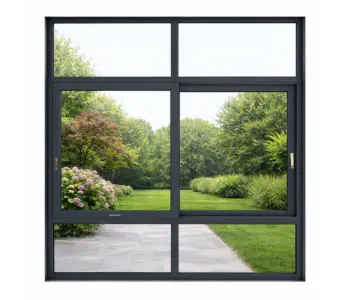
For larger openings such as balconies or living rooms, sliding uPVC windows are usually the most practical option. They don’t occupy extra space when opened and are easy to operate, making them suitable for wide spans and regular use.
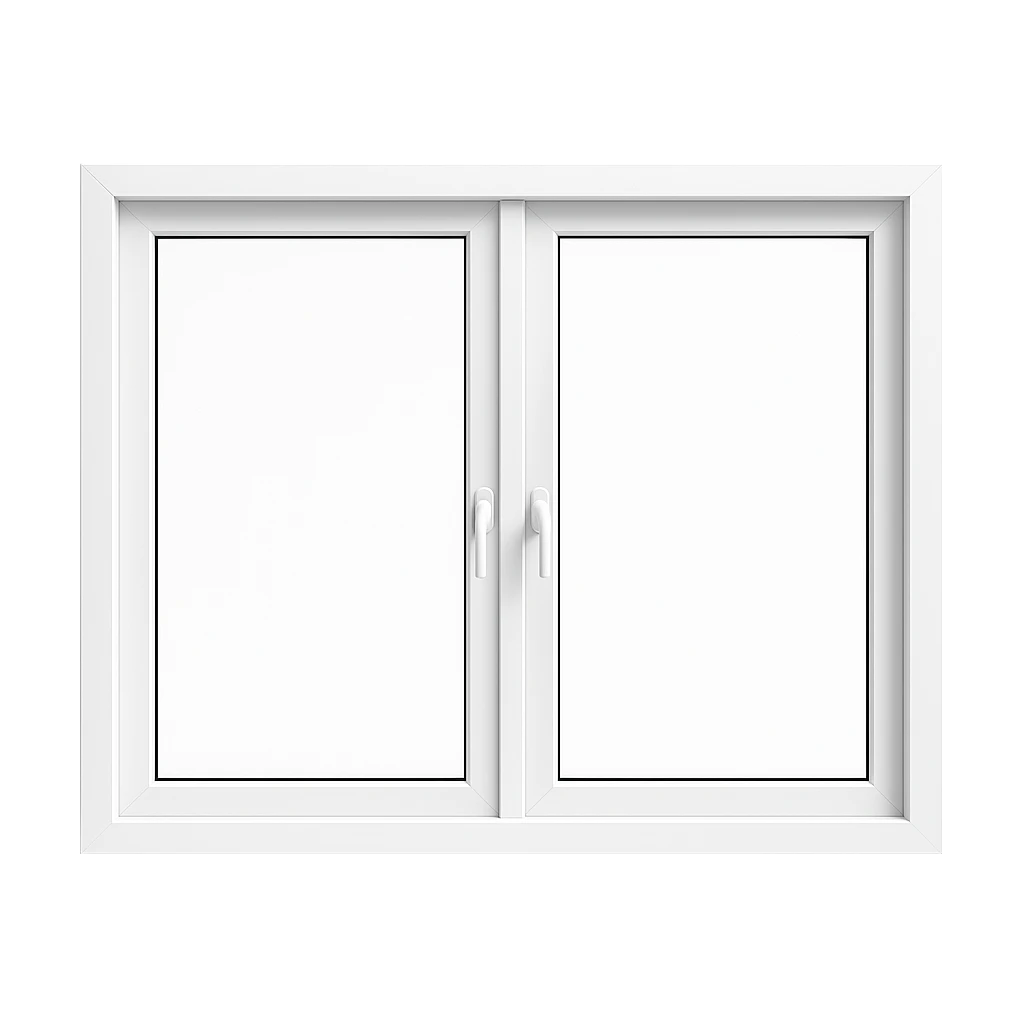
In bedrooms and spaces where airflow and tight sealing are more important, casement uPVC windows tend to perform better. Since they open on hinges, they allow more controlled ventilation and close more tightly, which helps with noise reduction and weather protection.
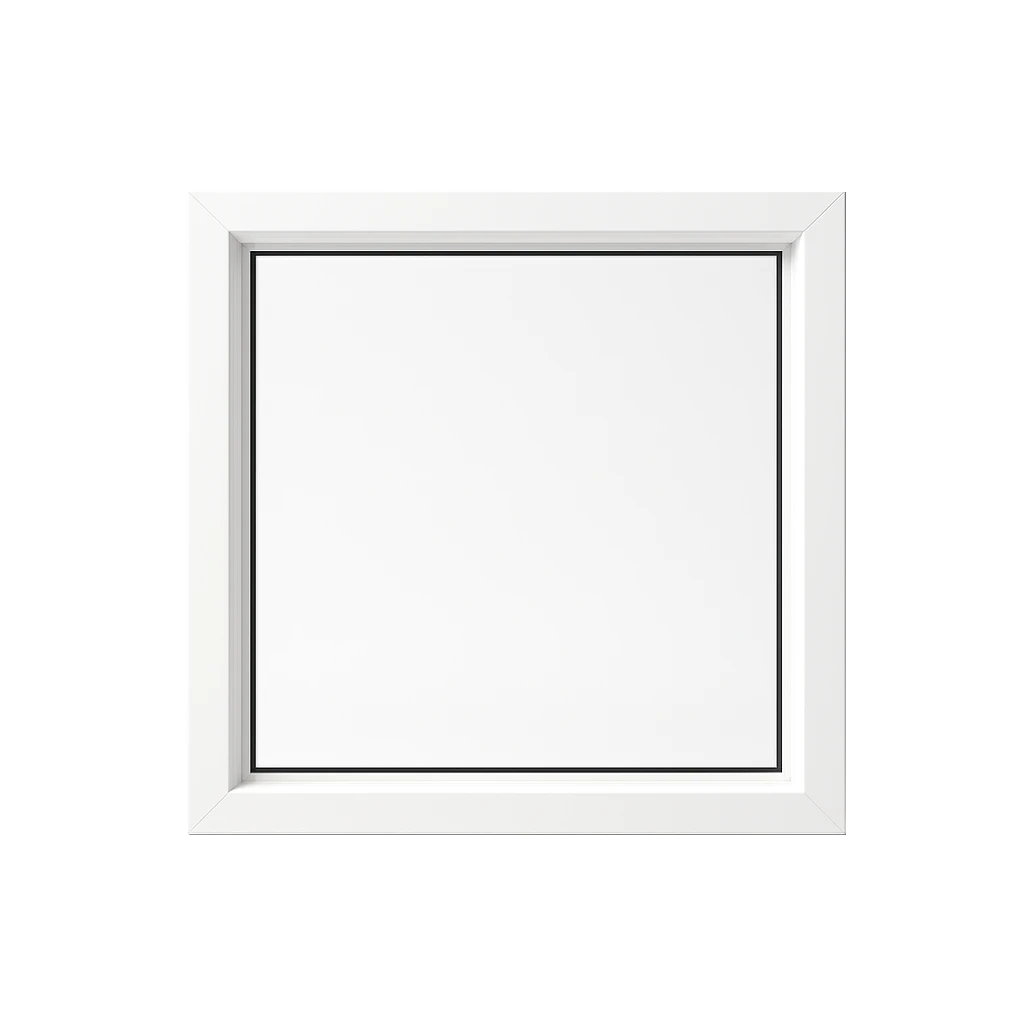
When safety, easy cleaning, or controlled ventilation is a priority—especially in apartments—tilt and turn uPVC windows are often preferred. Fixed uPVC windows are commonly used in areas where ventilation isn’t required and the main goal is to bring in natural light or maintain an uninterrupted view.
In the end, the right uPVC window choice depends on how often the window will be opened, how much air movement the space needs, and how exposed it is to noise, rain, and sunlight. This is why selecting the right window system matters far more than choosing a design based
on looks alone.
| Feature | Ascendia uPVC Windows | Aluminium Windows | Wooden Windows |
|---|---|---|---|
| Thermal proofing | ⭐⭐⭐⭐⭐ Excellent | ⭐ Poor | ⭐⭐⭐ Moderate |
| Soundproofing | ⭐⭐⭐⭐ Strong | ⭐⭐ Average | ⭐⭐⭐ Moderate |
| Maintenance | Zero | Medium | High |
| Weather Resistance | Excellent in humidity & rain | Good | Weak |
| Lifespan | 25–40 years | 20–30 years | 5–10 years |
| Corrosion | No corrosion | Corrodes near coast | Can rot |
| Cost Efficiency | Very high | Medium | Low |
If you want insulation, zero maintenance, and long lifespan, uPVC beats aluminium and wood by a large margin
Ascendia features multi-chamber insulated profiles, German-engineered locking, reinforced structure, advanced sealing, and UV-stable Renolit profiles — delivering superior comfort, durability, and energy efficiency beyond traditional aluminium or wood windows.
Ascendia is not a “hardware brand” or a “profile seller.”
We engineer complete German-powered window systems with:

Ascendia windows are built as a complete engineered system — combining profiles, reinforcement, gaskets, hardware, glazing, and sealing for flawless performance.

Equipped with Siegenia and G-U German hardware, ensuring smooth operation, secure locking, reduced wear, and long-lasting durability.

Renolit UV-resistant finishes with scratch protection, paired with laser measurement, CNC fabrication, and strict quality control for perfect fit and finish.

Backed by a 10-year system warranty and 20-year weathering warranty, Ascendia is Kerala’s premium German-powered window brand trusted by architects and villa owners.
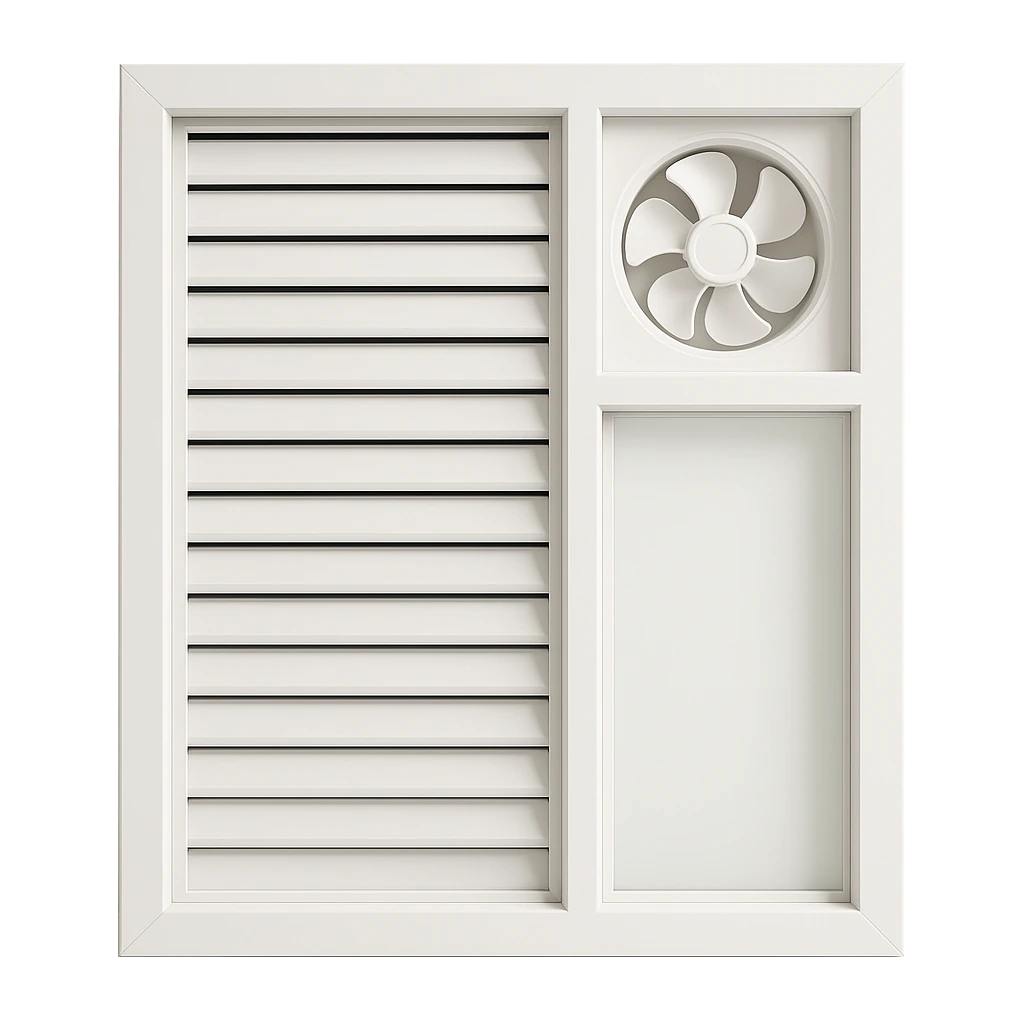
uPVC window performance is not defined by the frame material alone. It depends on how the entire system is configured and installed.
Profile thickness and internal chamber design affect structural strength and insulation. Steel reinforcement inside the profile is what allows the window to handle large sizes and long-term load without sagging. Thin or poorly reinforced profiles may look similar but behave very differently over time.
Sealing systems play a major role in waterproofing and noise reduction. Properly designed gaskets and tight tolerances prevent air and water leakage, especially during heavy rain and wind.
Glass selection has the biggest impact on comfort. Single glass mainly provides enclosure. Double glazing improves thermal insulation. Laminated glass helps reduce outside noise significantly. The combination of the right glass with proper sealing is what delivers real performance—not the frame alone.
This is why two uPVC windows that look similar can perform very differently in real-world conditions.
Architects and villa owners choose Ascendia because we engineer windows for long-term performance, not short-term installation.
uPVC window prices vary a lot because two windows that look similar on paper are often built very differently. Size and opening style matter, but they’re only the starting point. Glass is where prices begin to change quickly. Single glass is the cheapest option, but laminated or double-glazed glass makes a clear difference in day-to-day comfort—less outside noise, better insulation, and a more stable indoor temperature. That upgrade adds to the cost, but it’s not cosmetic; it’s functional. Hardware is another hidden factor. Good hardware keeps the window operating smoothly year after year. Cheaper hardware may work at first, but over time it’s more likely to loosen, jam, or affect alignment.
The uPVC profile and steel reinforcement also matter more than most people realise. Thicker profiles with proper reinforcement make the window stronger and help it hold its shape over the years. This is what prevents problems like sagging shutters or poor sealing later on—and yes, it increases the price.
Installation quality is just as important as the product itself. Even high-quality uPVC windows can underperform if they’re installed poorly. Issues like air leakage, water seepage, and noise problems usually come down to installation, not the window brand. That’s why very low uPVC window prices often mean compromises—either in glass, hardware, reinforcement, or installation standards. Looking at the full window system, instead of only the price per square foot, gives better long-term value.
If the profile and installation are done properly, 20–40 years is normal. We’ve seen older installations still working fine with only minor hardware changes. Where people face issues, it’s usually because of low-grade profiles, thin reinforcement, or rushed installation—not because of uPVC itself. And moreover Ascendia provides a 10-year system warranty and a 20-year weathering warranty.
They do—but only if the system is right. The frame alone won’t solve noise. Proper sealing and the right glass combination make the difference (Up to 40 dB with laminated glass). In busy city areas, double glazing or laminated glass with uPVC frames makes a noticeable improvement. It won’t give you studio silence, but the difference is obvious.
Yes.
Yes—and that’s the main reason people switch to them. Indian conditions are brutal on windows. Heat, humidity, rain, dust, pollution. Wood struggles. Metal slowly corrodes. uPVC just stays the same. Whether it’s coastal air, heavy monsoon, or dry heat, it doesn’t react much, which is exactly what you want in a window.