- +91 95890 15575
- office@lumierefenestration.com

uPVC Casement Windows
+91 95890 15575
office@lumierefenestration.com
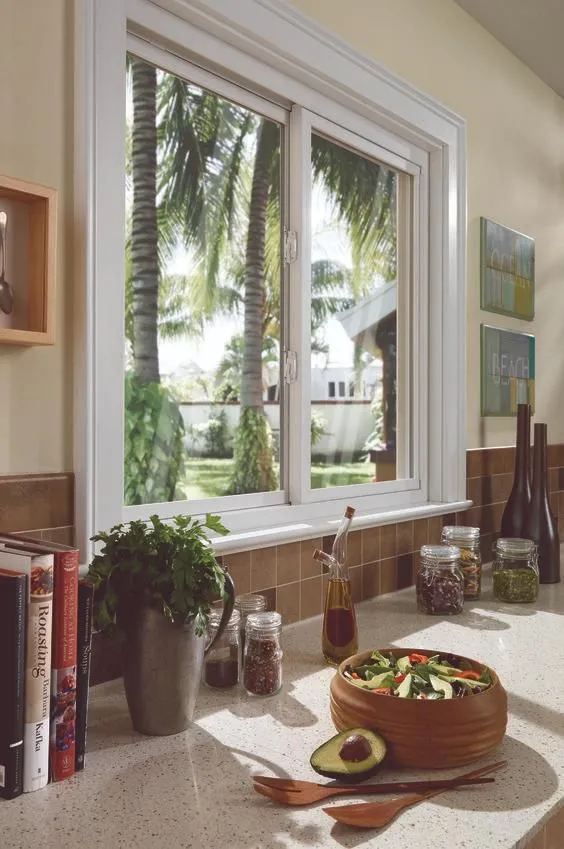
What are uPVC Casement Windows?
Designed for India’s coastal climate and contemporary elevation styles, these systems offer:
Why Homeowners & Architects Prefer uPVC Casement Windows
And why Ascendia’s systems outperform all standard openable windows
Casement windows are ideal for homes where:
- airtight sealing is crucial
- noise & pollution must be minimized
- strong wind resistance is needed
- superior insulation is required
- maximum ventilation is desired
Ascendia elevates this with:
- slim, elevation-consistent profiles
- German friction hinges (Siegenia / G-U)
- multi-point locking for tight sealing
- dual EPDM weather sealing
- GI reinforcement for long-term stability
- compatibility with grills & mesh solutions
German Hardware Integration
The
Core of Performance
A uPVC casement window is only as good as what’s inside it. The profile is the structure. The hardware is the mechanism. The surface is the long-term promise. Most casement windows in India are assembled from mixed-grade components sourced at cost — which is why they loosen, rattle, and degrade within a few years. Ascendia builds differently. Every casement system integrates three European-engineered technologies — Siegenia / G-U hardware, G-U multi-point locking, and RENOLIT surface finish — specified together, installed as one cohesive unit, and warranted for decades of performance.
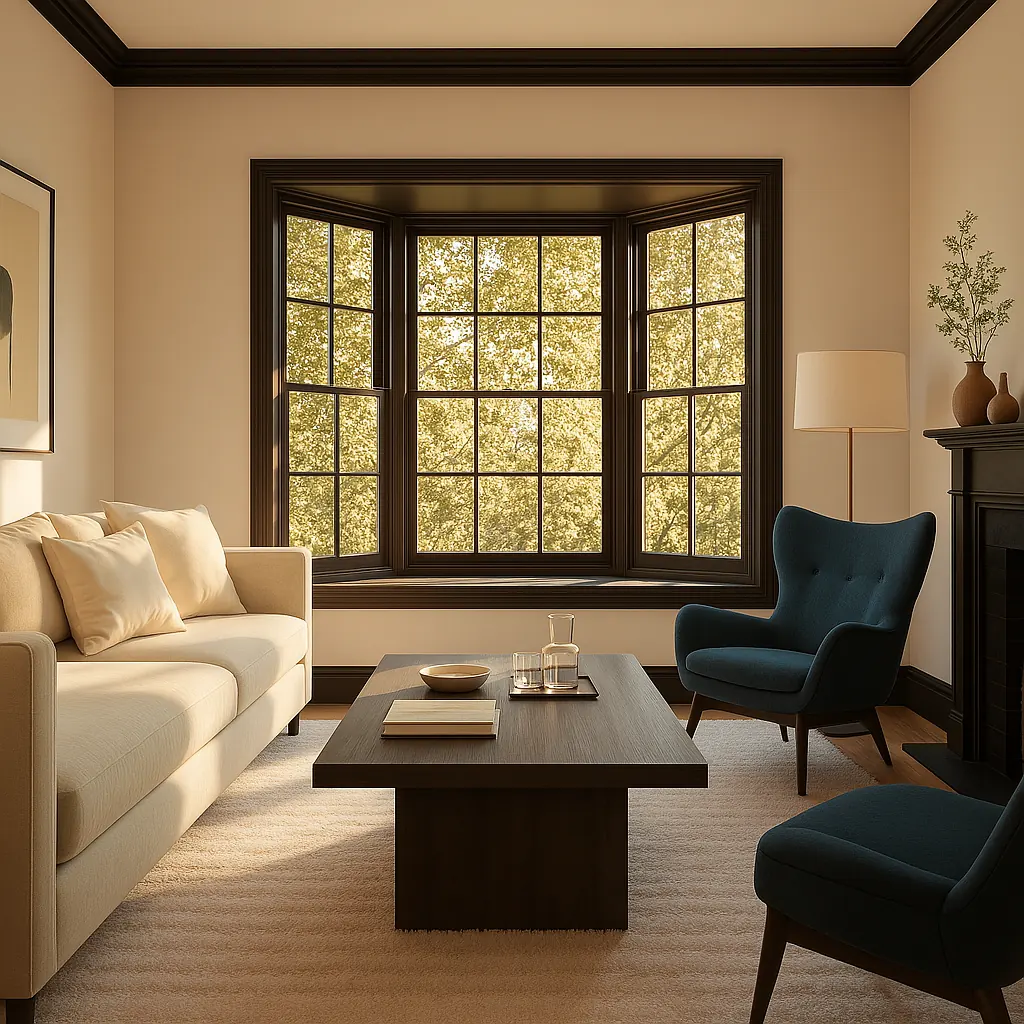
Siegenia / G-U Friction Hinges
smooth, controlled movement
anti-slam protection during winds
cycle-tested for decades of usage
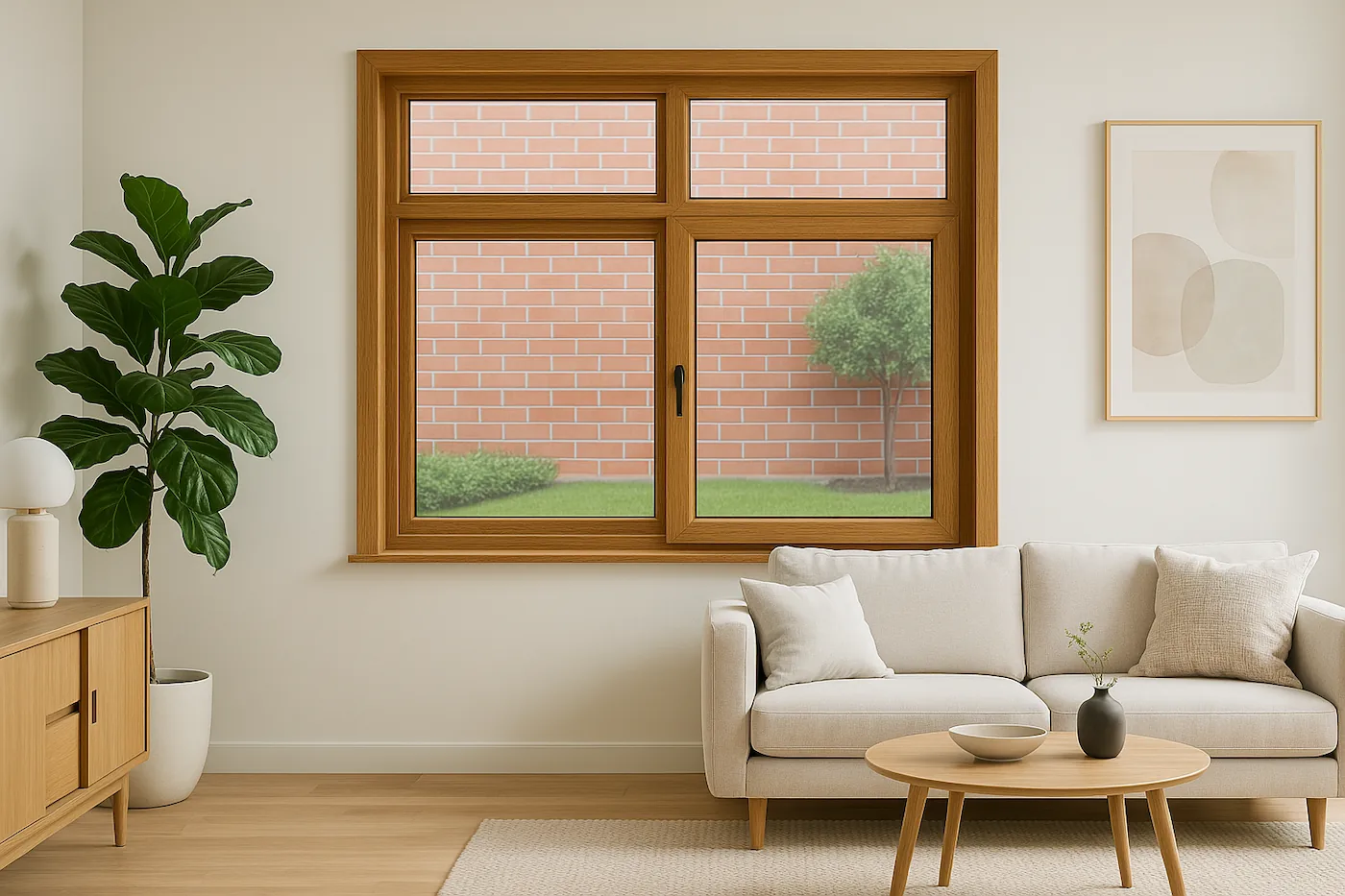
G-U Multi-Point Locking System
airtight sealing
enhanced security
prevents rattling during monsoons
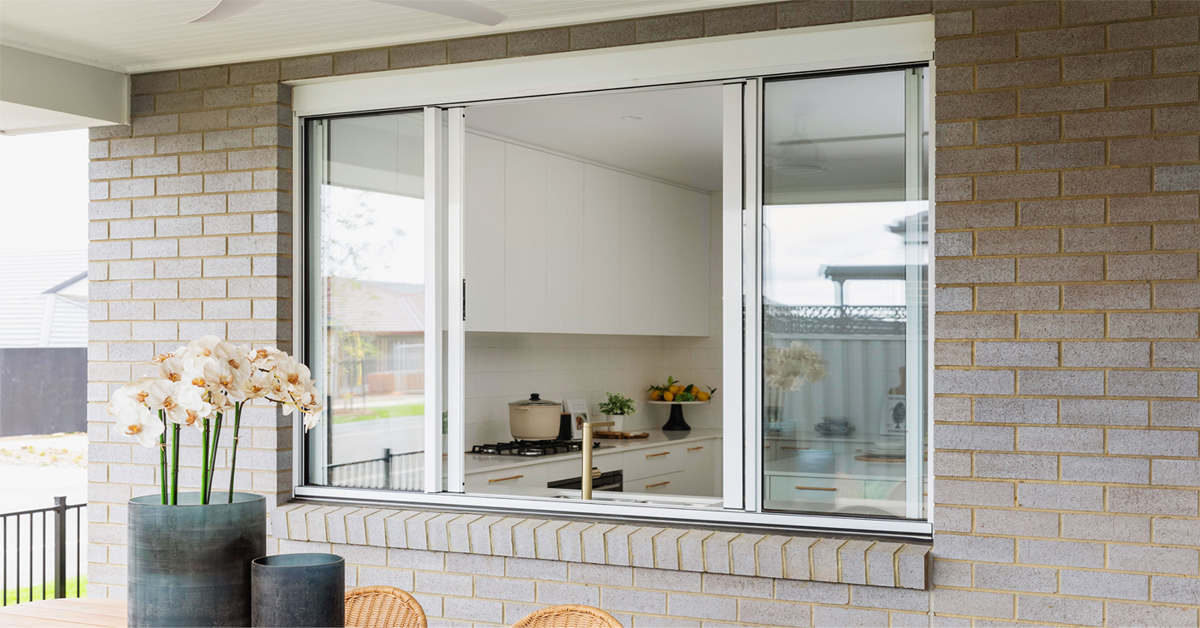
RENOLIT Surface Technology
UV-stabilised film — no fading, chalking, or discolouration
salt-air and humidity resistant for coastal regions
available in wood grain, matte, and architectural finishes
20-year surface warranty on laminated profiles
The result is a casement window that operates with the same precision on the ten-thousandth opening as it does on the first. No loosening hinges. No rattling sash during monsoon winds. No surface fade after five summers. This is what it means to engineer a window rather than assemble one — and it is the standard every Ascendia casement system is built to, regardless of size, configuration, or finish.
The End Result
A casement window that feels solid, tight, premium — engineered for lifetime use.
uPVC Casement Window Variants & Applications
uPVC Casement Window (Side-Hung)
The classic openable configuration — best for:
- bedrooms
- living rooms
- villas
- apartments seeking maximum ventilation
Benefits:
- highest insulation performance
- superior noise reduction
- wide sash opening
- ideal for premium homes
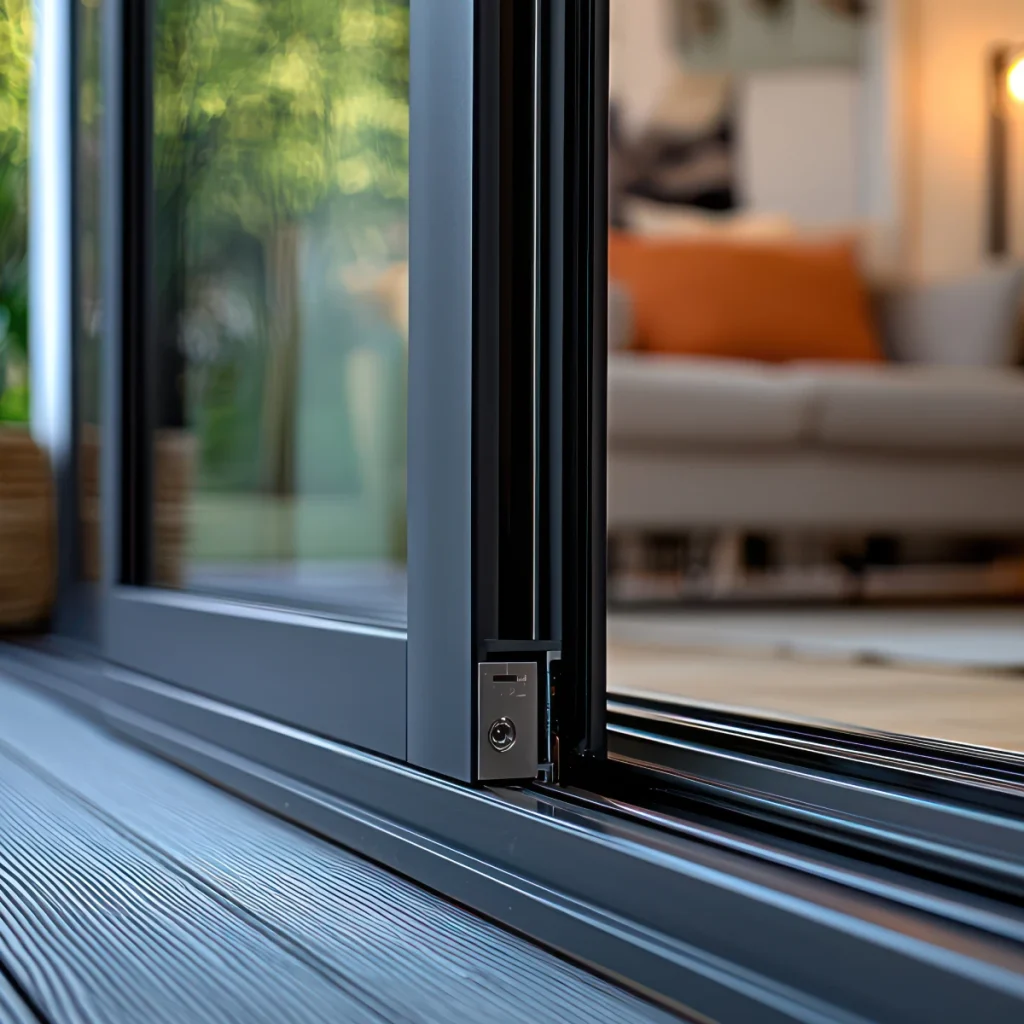
Top Hung uPVC Window (Awning Window)
A variant where the sash opens outward from the top.
Perfect for:
- kitchens
- bathrooms
- utility areas
- corridors
- high-rise ventilation
Advantages:
- ventilation even during rain
- compact & secure
- minimal elevation disruption

uPVC Casement Window With Grill
Compatible with all grill styles:
- internal grills
- external grills
- detachable grills
- villa-style designer grills
Engineered for zero obstruction during sash movement.
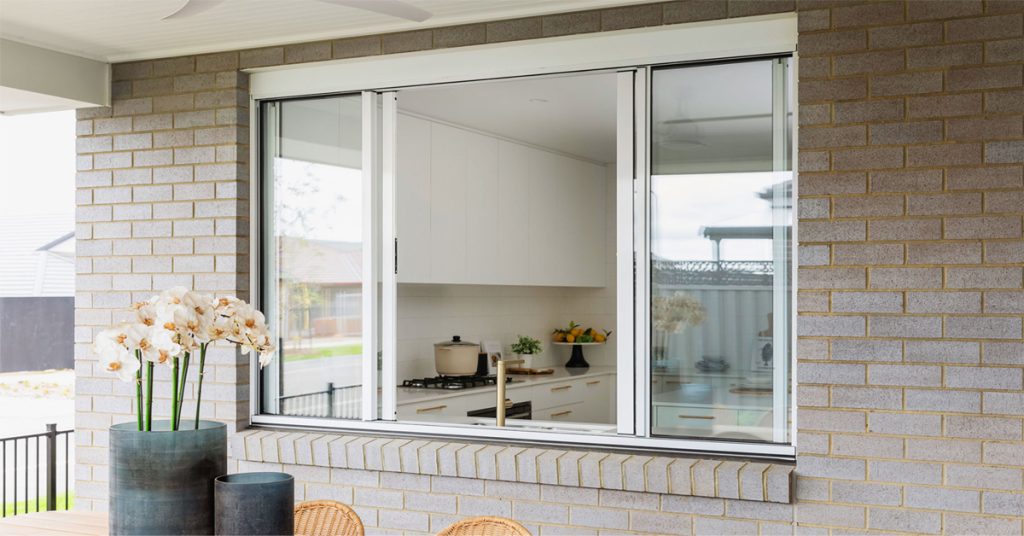
Ideal for Indian homes with:
- mosquito protection needs
- child safety requirements
- dust-free ventilation
- airflow without opening fully
Mesh Options:
- sliding mesh
- casement openable mesh
- pleated mesh
- roll-up mesh
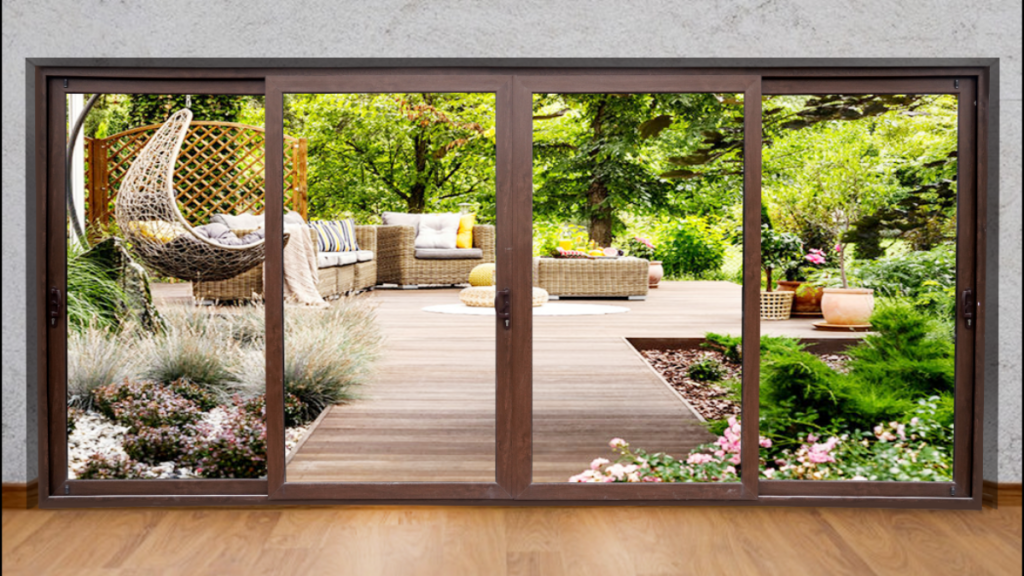
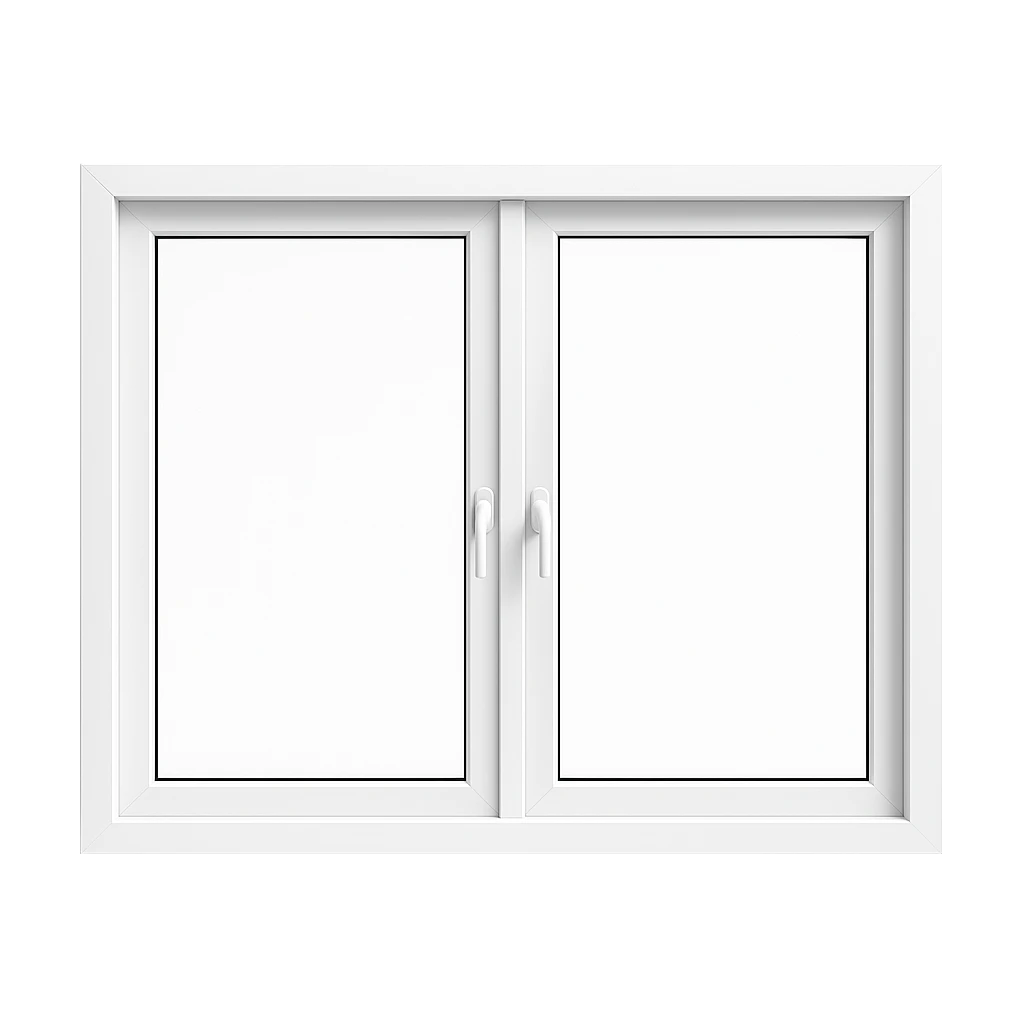
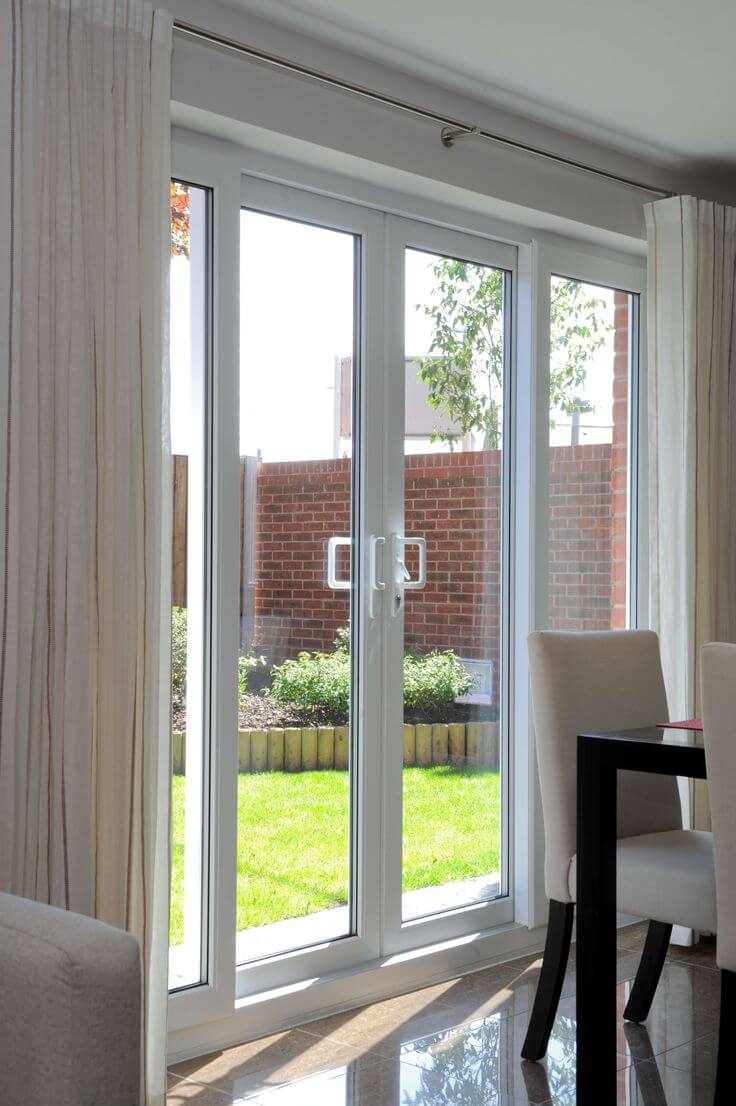
French Casement Windows (Double Casement)
Two side-hung sashes that open without a central mullion.
Creates an uninterrupted wide opening.
Loved by architects for:
- villas
- living rooms
- balcony openings
- premium façades
Aesthetics + engineering = a luxury elevation feature.
Engineered for the Indian Climate
Casement windows demand structural integrity and weather resilience.
Ascendia’s uPVC casement systems use:
- UV-stabilised European uPVC profiles
- Marine-grade hardware for coastal regions
- Double EPDM sealing for dust, sound & rain control
- Multi-chamber insulation
- GI reinforced frames for structural rigidity
- Advanced drainage pathways
Built to maintain shape, colour, and performance for 30–40 years, even in humid, salty, or rain-heavy climates.
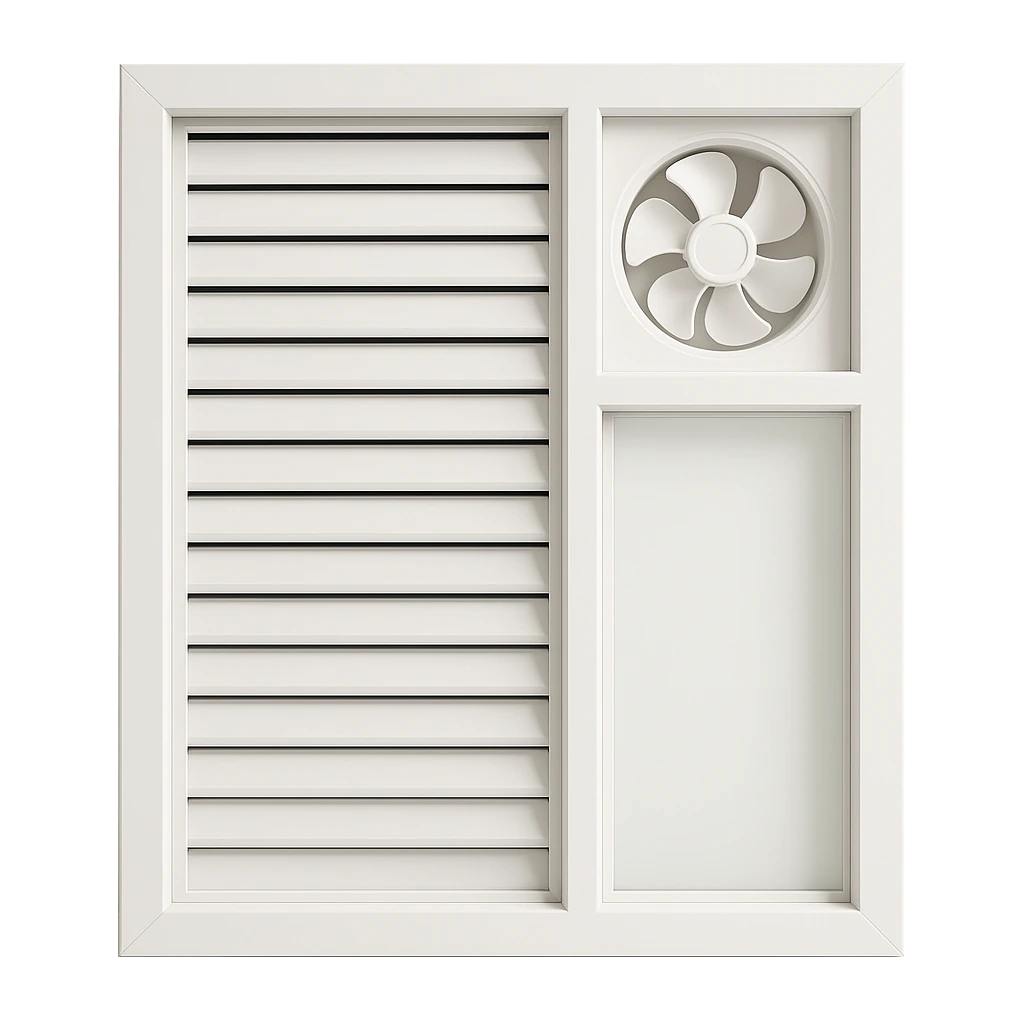
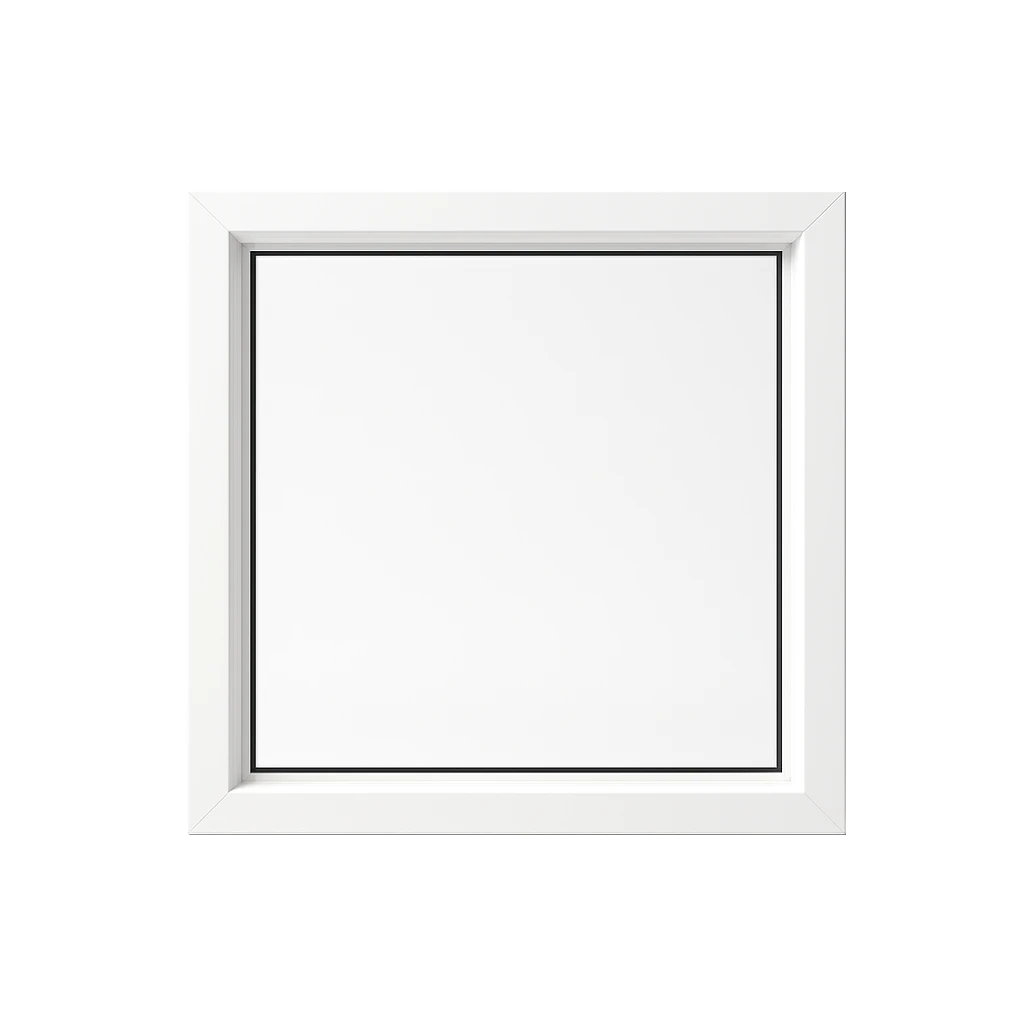
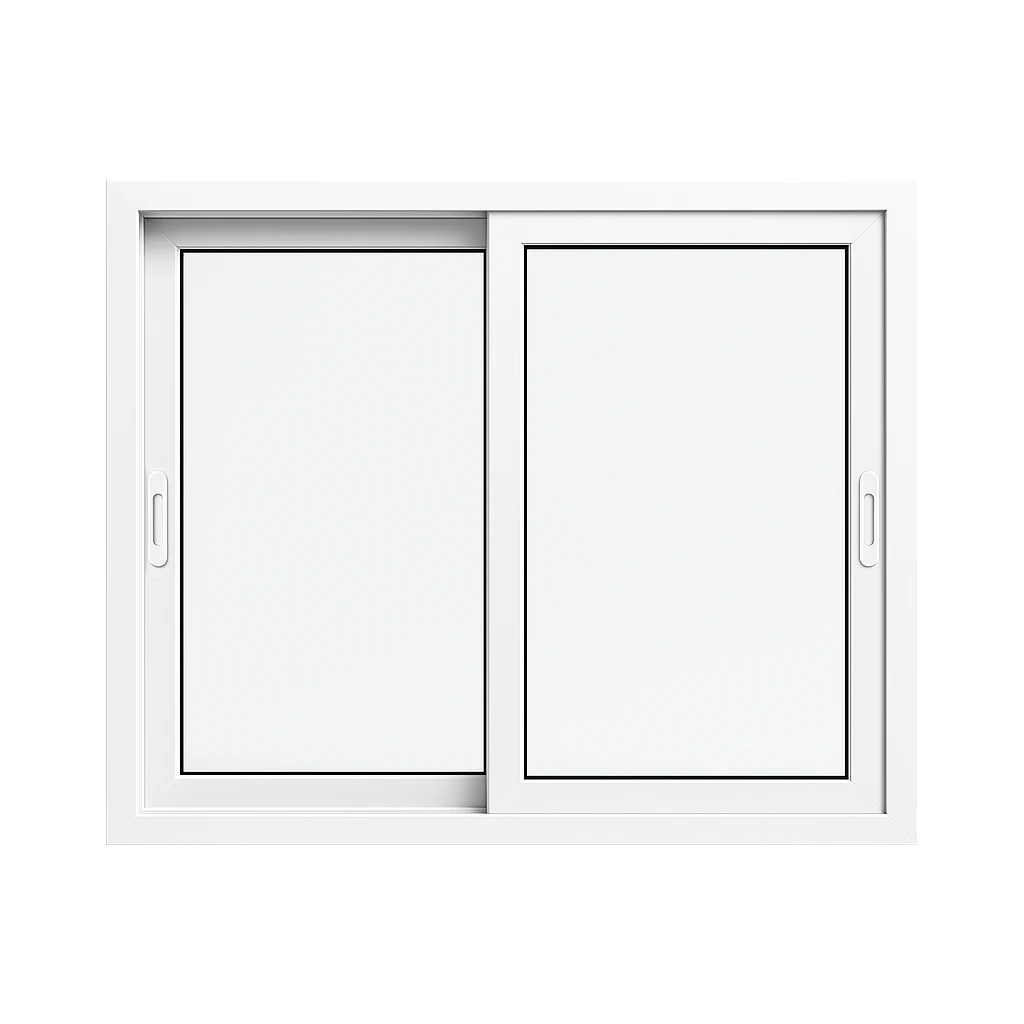
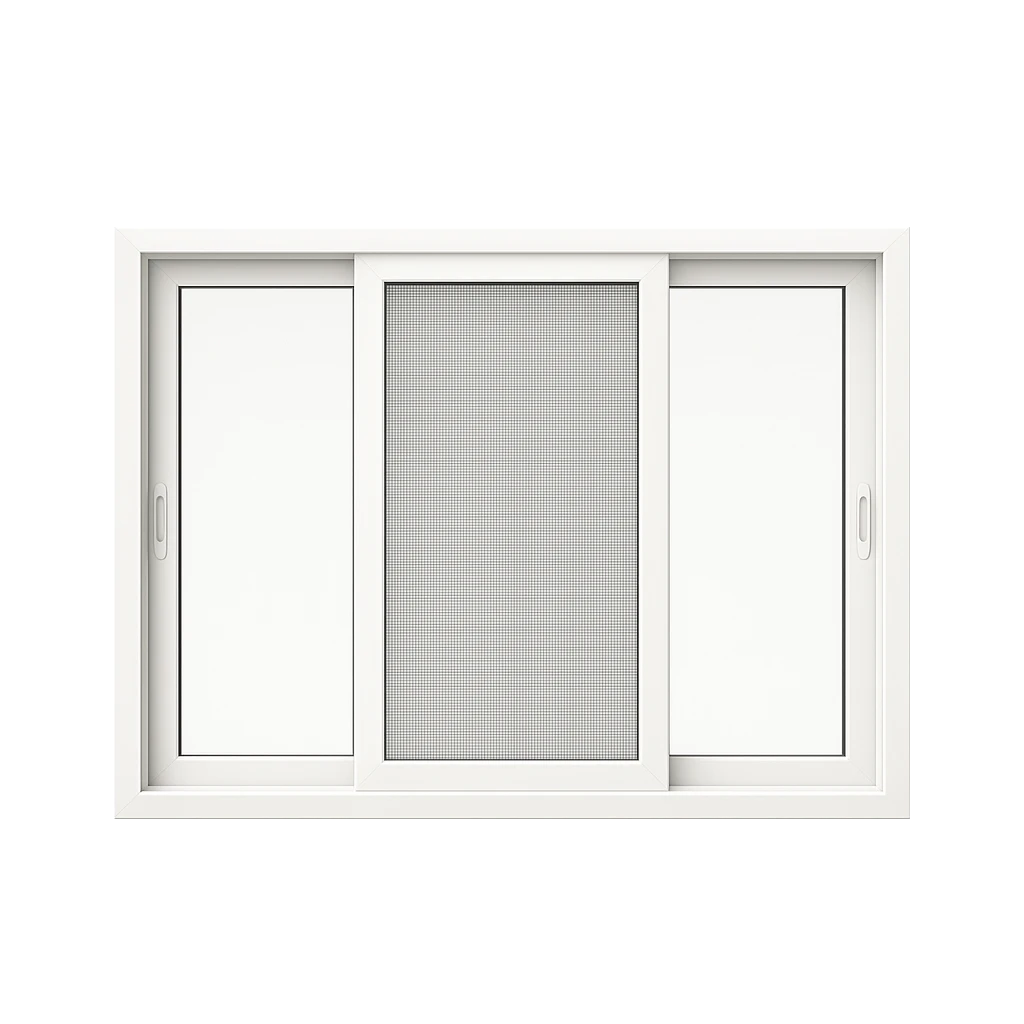
Ascendia uPVC Casement Window
What Determines the Price of
uPVC Casement Windows?
A uPVC casement window doesn’t have a fixed price — it has a configured one. Two windows can look identical from the outside and perform entirely differently over a decade. The difference lies not in the frame you see, but in the profile depth behind it, the hardware integrated into it, the glass sealed within it, and the precision with which the entire system is installed. Understanding what you’re paying for is the only way to make a decision you won’t revisit in five years.
Profile system
The profile is the foundation of the window. Ascendia’s casement systems are built on either the Essentials 50 series or the Enhanced 62 series — each with a different chamber configuration, wall thickness, and structural load capacity. A deeper, multi-chamber profile costs more. It also handles larger sash sizes, resists wind load better, and maintains dimensional stability across decades of temperature variation. Entry-level uPVC profiles may look the same. They don’t perform the same.
Hardware specification
Hardware is where the gap between a ₹400/sqft window and a ₹1,000/sqft window becomes most visible over time. Ascendia integrates Kinlong hardware on the ToughCase, and Yale/G-U hardware on the ToughCase Grandeur and ToughFrame — each chosen for cycle-rated performance, corrosion resistance, and long-term operational consistency. Generic hardware loosens. Rated hardware doesn’t.
Glass selection
Surface finish and colour
Installation quality
There is no universal price for a uPVC casement window because there is no universal requirement. What Ascendia offers is a transparent configuration — the right profile, the right hardware, the right glass, and the right finish for what your space actually needs. The conversation starts with a free site visit. Everything after that is specification, not guesswork.
Precision Installation. No Shortcuts. No Subcontracting.
The best casement system in the world underperforms if it isn’t installed correctly. A misaligned frame lets in air. An incorrectly seated sash rattles. A gap in the sealing line defeats every gasket engineered into the profile. This is why Ascendia does not separate the product from the installation — they are the same commitment, delivered by the same team.
Free site visit and technical assessment
Before a single measurement is taken, an Ascendia specialist visits the site. The assessment covers civil opening dimensions, wall thickness, elevation orientation, floor level, and wind exposure — every variable that determines how the system needs to be specified. Nothing is assumed. Nothing is approximated.
Fabricated to your exact civil opening
Installation by trained Ascendia technicians
System check and handover
Each window is installed like a German fenestration system — not fitted like a replacement
frame.
Every sash is aligned to the millimetre. Every seal is tested before we leave.
No subcontracting. Only trained Ascendia technicians.
Casement vs Sliding vs Fixed
| Feature | Casement Windows | Sliding Windows | Fixed Windows |
|---|---|---|---|
| Airtight sealing | ⭐⭐⭐⭐⭐ | ⭐⭐⭐ | ⭐⭐⭐⭐⭐ |
| Noise reduction | ⭐⭐⭐⭐ | ⭐⭐⭐⭐ | ⭐⭐⭐⭐⭐ |
| Ventilation | ⭐⭐⭐⭐⭐ | ⭐⭐⭐ | ⭐ |
| Weather protection | ⭐⭐⭐⭐⭐ | ⭐⭐⭐ | ⭐⭐⭐⭐ |
| Grill & mesh compatibility | ⭐⭐⭐⭐ | ⭐⭐⭐⭐ | ⭐ |
| High-rise suitability | ⭐⭐⭐⭐⭐ | ⭐⭐⭐⭐ | ⭐⭐⭐⭐ |
| Space saving | ⭐⭐ | ⭐⭐⭐⭐⭐ | ⭐⭐⭐⭐⭐ |
Casement windows win when:
- insulation matters most
- strong winds or heavy rain are common
- premium homes require architectural performance
- quiet interiors are mandatory
Performance That Matters Daily
- 30–40 dB noise reduction
- airtight sealing for dust-free interiors
- thermal comfort with multi-chamber profiles
- marine-grade hardware for coastal durability
- anti-slam hinge engineering
- wind-load tested for high-rise towers
- zero rattling
- long-term structural stability.
These windows don’t just look premium — they perform premium every single day.
Where Ascendia Casement
Windows Fit Perfectly
Large sash openings, French casement configurations, and wood-finish profiles make casement windows the natural choice for villa elevations where both performance and architectural character matter.
Anti-slam friction hinges and wind-load tested frames ensure safe, controlled operation at height — where sliding windows lose sealing performance and fixed windows offer no ventilation.
The airtight seal and 30–40 dB noise reduction of a casement system creates the quiet, dust-free interior that bedrooms and living spaces require — especially in homes close to roads or commercial areas.
Marine-grade hardware, UV-stabilised profiles, and double EPDM sealing are specified precisely for the salt air, humidity, and monsoon wind loads that coastal homes face year-round.
windows allow precise, partial ventilation control — the sash can be opened to any angle — making them ideal for spaces where air movement needs to be managed without distraction or draughts.
Consistent elevation aesthetics, low maintenance requirements, and long-term operational reliability make Ascendia casement systems a practical specification for hospitality projects across multiple rooms and façades.
Sizes, Configurations & Customisation Options
Glass Options
Thermally processed to be four to five times stronger than standard glass, toughened glass is the baseline safety specification for casement windows — particularly ground-floor openings, large sash sizes, and homes with children.
Two glass layers bonded with a PVB interlayer that absorbs sound energy before it enters the room. The preferred choice for bedrooms and living rooms facing roads, construction activity, or any environment where the 30–40 dB noise reduction of the casement system needs to be fully realised.
Two glass panes separated by an argon-filled cavity that resists heat transfer in both directions — keeping interiors cooler in summer and reducing the load on air conditioning. The most effective thermal upgrade available within the casement system.
A metallic coating on the outer glass surface reflects a portion of incoming solar radiation before it enters the frame — reducing glare and heat gain without sacrificing the view from inside. Recommended for west-facing and south-facing openings that receive direct afternoon sun.
Transmits natural light while eliminating direct visibility through the glass — the appropriate specification for bathrooms, staircase openings, ground-floor bedroom windows, and any space where daylight is needed without visual exposure.
Why Ascendia for uPVC Casement Windows
Each window is built as a system, not a commodity frame.
Ensures perfect fit, tight sealing, and elevation consistency.
No subcontracting — only trained Ascendia specialists.
Siegenia
G-U
European EPDM
GI reinforcement
10-year system warranty
20-year film/laminate warranty
after-sales support for the product life cycle
Frequently Asked Questions
Are uPVC casement windows better than sliding windows?
Yes — for insulation, noise reduction, and airtight sealing, casement systems outperform
sliding.
What is a top-hung uPVC window?
A casement variant where the sash opens outward from the top, ideal for ventilation during rain.
Are French casement windows available?
Yes — Ascendia offers French casement windows with wide, uninterrupted openings.
Do casement windows support grills and mesh?
Absolutely — engineered for smooth opening with grill + mesh compatibility.
Do uPVC casement windows reduce noise?
Up to 30–40 dB with laminated or DGU glass.
Will uPVC fade or discolour in Kerala’s climate?
No — Ascendia uses UV-stabilised profiles and marine-grade materials.