- +91 95890 15575
- office@lumierefenestration.com

uPVC Fixed Windows
Designs, Applications & Engineered Systems for Indian Homes
Non-openable uPVC fixed windows are built for one job done well: maximum natural light, uninterrupted outdoor views, and a clean, sealed glass opening where ventilation isn’t the priority. This guide shows where fixed windows work best, where another window type serves you better, and how Ascendia engineers each one as a complete German-powered system.
Book a Free Site Visit Call: +91 95890 15575What Are uPVC Fixed Windows?
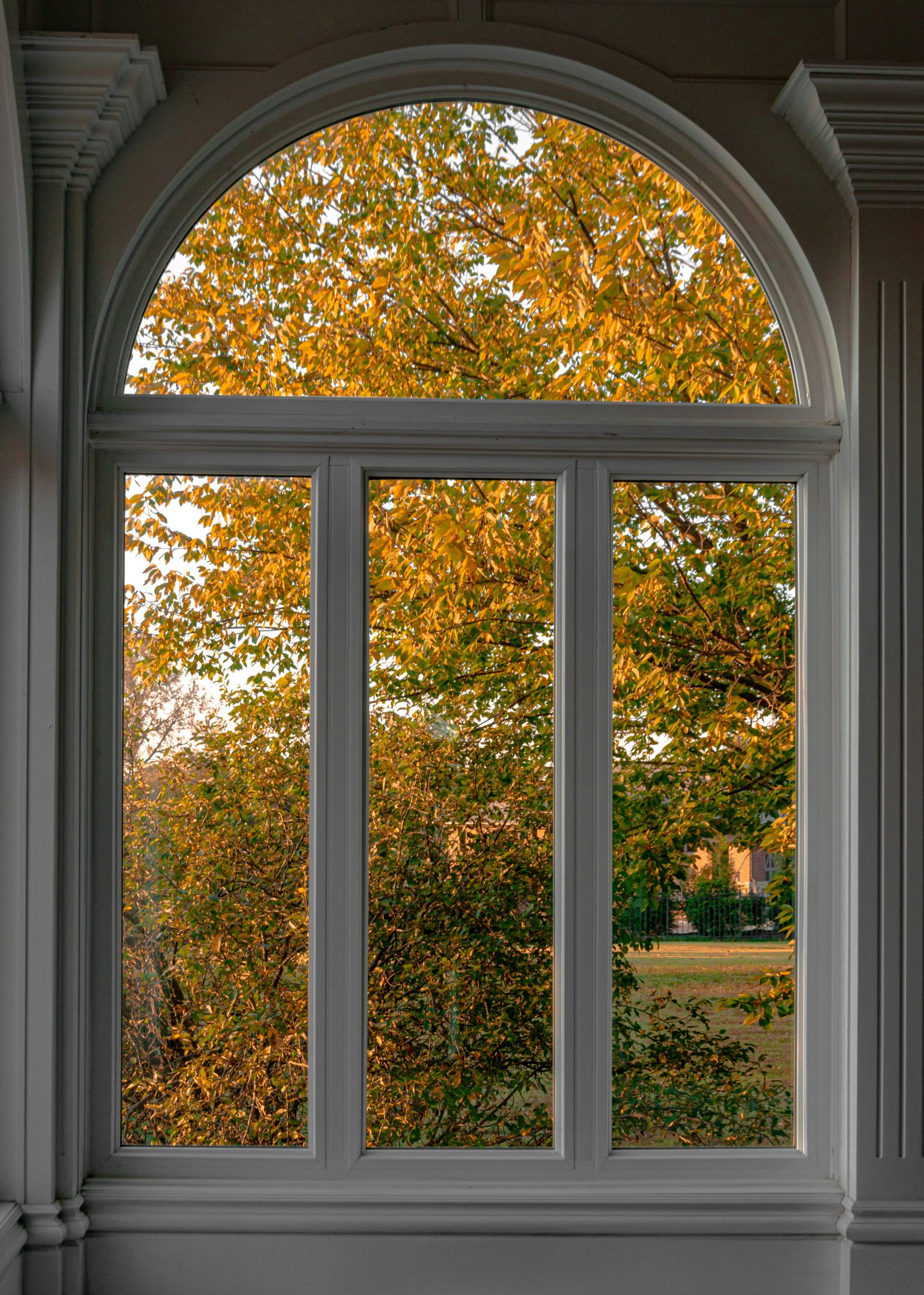
A uPVC fixed window is a non-openable window — a sealed glass panel set in a uPVC frame that does not open, tilt, or slide. It is sometimes called a picture window, because its purpose is to frame a view and let in light, not to ventilate. With no operating sash, the glass area is larger and the sightline is cleaner than an equivalent openable window.
Because nothing moves, a fixed window can be sealed completely. That makes it well suited to bringing daylight deep into a room, holding an uninterrupted outdoor view, and shaping an architectural elevation with large, continuous glazing. What it cannot do is provide airflow — so
a fixed window is specified for places where ventilation is either not needed or is handled by another opening nearby.
The frame material is only the starting point. A fixed window’s real performance comes from how the system is engineered around the glass — the profile, the steel reinforcement that keeps a large pane square over the years, the gasket sealing, and the quality of the glass itself. This is why Ascendia treats a fixed window as a complete system, not a sheet of glass in a frame.
Why Choose Fixed Windows?
The value of a fixed window goes beyond how it looks. Removing the operating sash changes
what the opening can do:
- Larger, uninterrupted glazing. Without a moving sash and its hardware, more of the opening becomes glass — ideal for picture views and feature walls.
- More natural light. A bigger glass area pulls daylight deeper into the room, reducing reliance on artificial light during the day.
- Clean architectural lines. Fixed panels suit modern elevations where slim frames and continuous glass matter to the design.
- A fully sealed opening. With nothing to open, the unit can be sealed completely — useful where you want light without draught, dust, or noise from an operable joint.
- Design flexibility. Fixed panels combine easily with sliding or casement sections, so you can place glass where you want the view and openable sections where you need the air.
- Low day-to-day demand. No moving parts to operate means fewer points of wear in that opening.
With the right glass and a properly sealed Ascendia system, a fixed window also contributes to thermal comfort and noise control. Multi-chamber uPVC profiles and EPDM double-gasket sealing reduce heat transfer and air leakage, and with laminated glass, noise reduction of up to 40 dB is achievable. As always, the performance comes from the complete specification — frame, sealing, and glass working together — not the frame alone.
Where uPVC Fixed Windows Work Best
| Space | Why Fixed Works Here | Ventilation Note |
|---|---|---|
| Living Rooms | A large fixed or picture window frames the best view and floods the room with daylight. | Pair with a sliding or casement section for airflow. |
| Staircases & Landings | Brings light into circulation spaces where window operation is not required at height. | Usually no ventilation is required. |
| Façade & Double-Height Spaces | Continuous glazing creates architectural drama, visual openness and a premium appearance. | Ventilation can be handled by adjacent openable sections. |
| Corridors & Passages | Provides borrowed daylight and clean visual lines in circulation and transit spaces. | Often independent of ventilation requirements. |
| Villas | Large spans and feature glazing are ideal for premium independent homes. | Combine with suitable openable window types in each room. |
| Apartments & High-Rise Buildings | Sealed feature glazing provides uninterrupted views, abundant daylight and low upkeep. | Pair with tilt-and-turn windows for safe, controlled airflow. |
| Offices | Improves daylight and visual openness while requiring minimal maintenance. | Use mechanical ventilation or adjacent openable window sections. |
| Commercial & Retail Spaces | Supports large display areas and expansive daylight-filled building envelopes. | Ventilation should follow the individual project design. |
| Hospitals & Institutions | Creates sealed, durable and high-light environments with low maintenance requirements. | Ventilation should follow the project specification. |
Where Fixed Windows May Not Be the Right Choice
Where escape or quick operation matters
Rooms that need regular ventilation
Kitchens, bathrooms, and most bedrooms
need airflow a fixed window cannot give. Use casement, sliding, or tilt-and-turn here.
Openings that need access
Hard-to-clean positions
uPVC Fixed Windows vs Other Window Types
| Window Type | Main Difference vs Fixed | When Fixed Is Better | When the Other Is Better |
|---|---|---|---|
| Sliding | Sliding windows open along a track for airflow, with approximately half of the opening available for ventilation. | When you want maximum glass area and an uninterrupted view without airflow. | Wide openings that need easy, space-saving ventilation. |
| Casement | Casement windows are hinged and open outward, providing full-frame airflow and tight sealing. | When the opening is intended purely for daylight and views. | Rooms requiring strong and controlled ventilation. |
| Awning | Awning windows are top-hinged, open outward and help shed light rain while open. | When no airflow or window operation is required. | High, wet or exposed areas requiring ventilation during light rain. |
| Tilt & Turn | Tilt-and-turn windows offer dual operation: tilt for controlled ventilation and turn for full opening and easy cleaning. | When the opening never needs to operate. | Apartments requiring safe airflow, flexible operation and easy cleaning. |
| Bay | Bay windows project outward to add depth, seating space and panoramic daylight. | When a flat, large single-pane window suits the wall and design. | When you want architectural projection, extra interior space and a wraparound view. |
| Combination | Combination windows integrate fixed and openable panels within one complete assembly. | Not usually preferred over a combination system when both view and ventilation are required. | Ideal for most rooms, using fixed panels for views and openable sections for airflow. |
uPVC Fixed Windows for Indian & Kerala Homes
Kerala’s climate is demanding: high humidity, heavy monsoon rain, coastal salt air, intense UV, and — near roads and cities — constant noise. These are exactly the conditions that degrade wood and corrode aluminium over time. uPVC is chemically inert to all of them: it does not corrode, warp, or absorb moisture, which is why it has become the material of choice for windows across coastal and high-humidity India.
For a fixed window — often a large, permanent pane — that stability matters. Ascendia engineers each fixed system for the conditions of the opening:
Rain & water
Heat
Humidity & salt air
Noise
Maintenance
Design & Aesthetic Possibilities
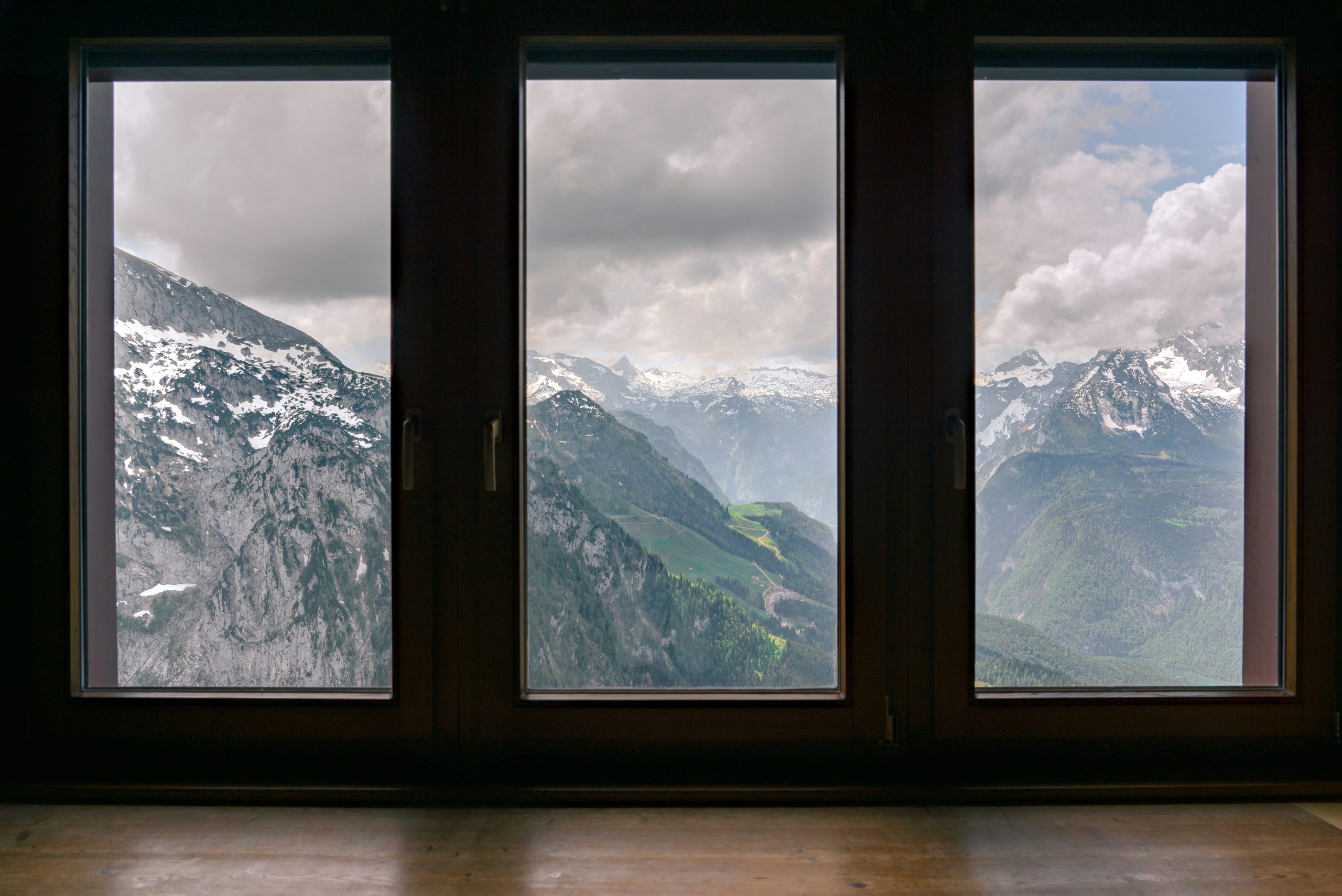
Fixed windows are a designer’s tool for light and proportion. With no sash to interrupt the glass, they suit elevations where the architecture is meant to read as clean and open:
- Modern home elevations with large, slim-framed glazing.
- Villas and premium residences where a picture window frames a signature view.
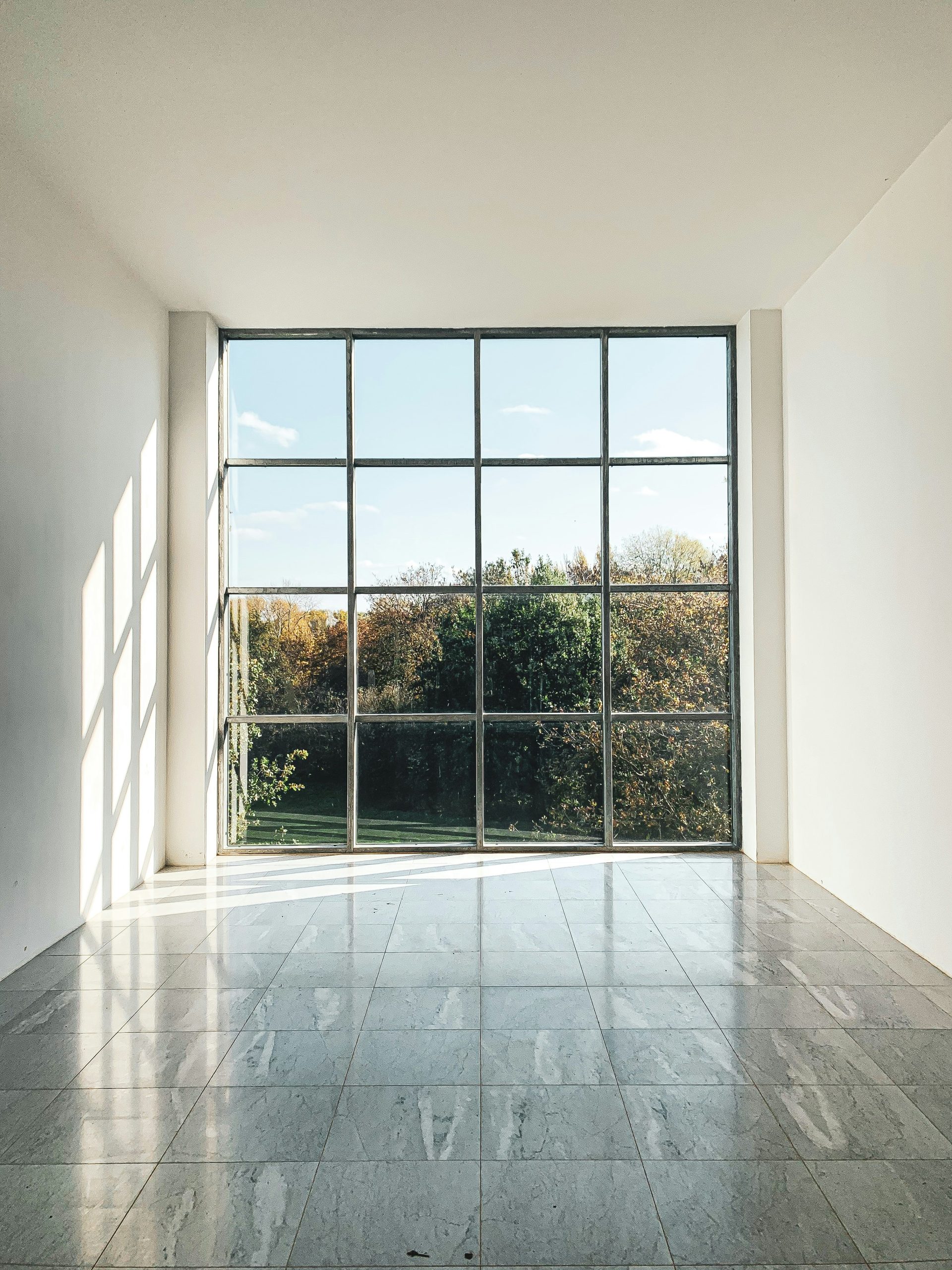
- Large glass openings and double-height living spaces.
- Staircase glazing that lights the core of the home.
- Façade continuity — fixed panels carrying a glass line across a frontage.
- Minimal visual clutter: glass where you want the view, frame kept slim.
- Balanced compositions: fixed panels paired with openable sections in one design.
Ascendia’s Renolit surface technology allows finishes including white, grey, black, anthracite, and wood-grain options such as rosewood and golden oak — so the frame can match the architectural character of the building rather than fight it. Finish choices should be confirmed at
specification.
How to Choose the Right uPVC Fixed Window
Before specifying a fixed window for any opening, work through this checklist. It follows the same practical logic an Ascendia engineer applies during a professional site survey.
1. Room Type
Does the space require natural airflow, or does it only need daylight and an uninterrupted outdoor view?
2. Opening Size
Is the opening large enough for a single fixed-glass pane to provide the desired light, view and architectural impact?
3. Exposure
Which direction does the opening face, and how much rain, wind, heat and afternoon sunlight will it receive?
4. Ventilation
When the room requires airflow, is adequate ventilation available through another window, door or mechanical system?
5. Natural Light
How much daylight should enter the room, and could excessive sunlight create glare or unwanted heat gain?
6. View
Is there an attractive outdoor view that would benefit from a clean, uninterrupted glass area?
7. Privacy
Does the window position require frosted, tinted, reflective or otherwise treated glass to protect privacy?
8. Cleaning & Access
Can both the internal and external faces of the glass be accessed and cleaned safely after installation?
9. Building Type
Is the fixed window intended for a villa, apartment, office, commercial building or institutional project?
10. Aesthetics
Does the frame colour, finish, glass proportion and overall window design complement the building elevation?
11. Combine With an Openable Window
Should the fixed pane be combined with a sliding, casement or tilt-and-turn panel to provide ventilation?
12. Glazing & Sealing
Select the right glass—single, toughened, laminated, double-glazed or reflective—along with the correct gasket and sealing system.
13. Installation Quality
Confirm who will measure the opening, fabricate the system, install the window and verify the final sealing.
14. Warranty & Support
Understand what the product and installation warranties cover, how long the coverage lasts and what after-sales support is available.
Ascendia uPVC Window Types
for Fixed-Window Planning
| Window Type | Best Use | How It Works With Fixed Planning |
|---|---|---|
| Fixed | Light, views and sealed openings. | Forms the core fixed panel, providing the main glass area and uninterrupted view. |
| Sliding | Large openings, balconies and convenient everyday use. | Add a sliding section beside a fixed pane to provide airflow without significantly reducing the view. |
| Casement | Maximum ventilation and tight sealing. | Pair with a fixed panel where the room requires strong, controlled airflow alongside a clear view. |
| Tilt & Turn | Safe airflow, easy cleaning and apartment applications. | An ideal openable partner for a large fixed panel in apartments and high-rise homes. |
| Bay | Projection, interior depth and panoramic daylight. | Fixed glazing commonly forms the central pane of a bay-window composition. |
| Slide & Fold | Wide indoor–outdoor transitions and large openings. | Use fixed glazing above or beside the slide-and-fold opening to extend daylight and maintain visual continuity. |
| Combination | Mixed fixed and openable panels within one unit. | Provides the cleanest way to balance uninterrupted views and practical ventilation within a single assembly. |
Why Consider Ascendia for uPVC Fixed Windows?
Frequently Asked Questions
What are uPVC fixed windows?
Do fixed windows open?
Are uPVC fixed windows good for homes?
Where can uPVC fixed windows be used?
Are fixed windows good for living rooms?
Are fixed windows suitable for villas?
Are fixed windows suitable for apartments?
Are fixed windows good for natural light?
Are fixed windows good for outdoor views?
Do fixed windows provide ventilation?
Are uPVC fixed windows suitable for Kerala homes?
What is the difference between fixed and sliding windows?
What is the difference between fixed and casement windows?
Can fixed windows be combined with openable windows?
Why should I consider Ascendia for uPVC fixed windows?
Light, Views, and a Window Engineered to Last
uPVC fixed windows do one thing exceptionally well: they bring in natural light, frame an uninterrupted outdoor view, and shape clean architectural elevations — in spaces where ventilation isn’t the priority. They are at their best on staircases, façades, double-height spaces, and feature walls, and most powerful when combined with an openable window that handles the air. Where a room needs frequent ventilation, access, or escape, another window type is the honest answer.
Whatever the opening, the result depends on the system behind the glass. Ascendia engineers each uPVC fixed window as a complete, German-powered system — specified to the opening, CNC-fabricated, installed by trained teams, and built to perform for decades. If you’re planning fixed glazing for a home or project, the best next step is a conversation about the opening itself.