- +91 95890 15575
- office@lumierefenestration.com

uPVC vs Aluminium Windows
Which Is Better for Your Home in 2026?
Choosing between uPVC and aluminium windows is one of the first real decisions in any new home, villa, apartment or commercial project — and one of the most confusing. This guide compares both materials honestly, by the things that actually matter in Indian conditions: heat, monsoon, humidity, noise, maintenance, design and long-term value. Because the truth is, the material is only half the answer. How the window is engineered, sealed and installed decides how it performs for the next 20–40 years.
Book a Free Site Visit Call: +91 95890 15575uPVC or Aluminium Windows — Which Should You Choose?
For most homes in India — and especially in Kerala’s hot, humid and coastal climate — a well-engineered uPVC window system is the more practical choice. uPVC does not conduct heat the way metal does, it does not corrode in salt air, it seals tightly against rain and noise, and it needs almost no upkeep.
Aluminium still makes sense in specific situations: when you want ultra-slim frames and the largest possible glass spans, a sharp metallic modern look, or a structural profile for very large or commercial openings. Good aluminium systems perform well — but they need a thermal
break to control heat, and proper coatings to resist coastal corrosion, which adds cost and complexity.

Why Consider Ascendia for uPVC Windows?
- German hardware integration — Siegenia and G-U (Gretsch-Unitas) mechanisms for smooth, secure, durable operation.
- Renolit UV-stable surface technology for long-term colour and coastal durability.
- GI steel reinforcement (1–1.5mm, ISO-tested) and 50mm / 62mm multi-chamber profiles.
- EPDM double-gasket sealing; up to 40 dB noise reduction with laminated glass.
- CNC precision fabrication and a defined 5-stage installation process.
- 10-year complete system warranty and 20-year weathering warranty on select surface technology.
- 24 engineered models across 12 premium series — specified per opening, not one product applied uniformly.
uPVC Windows vs Aluminium Windows
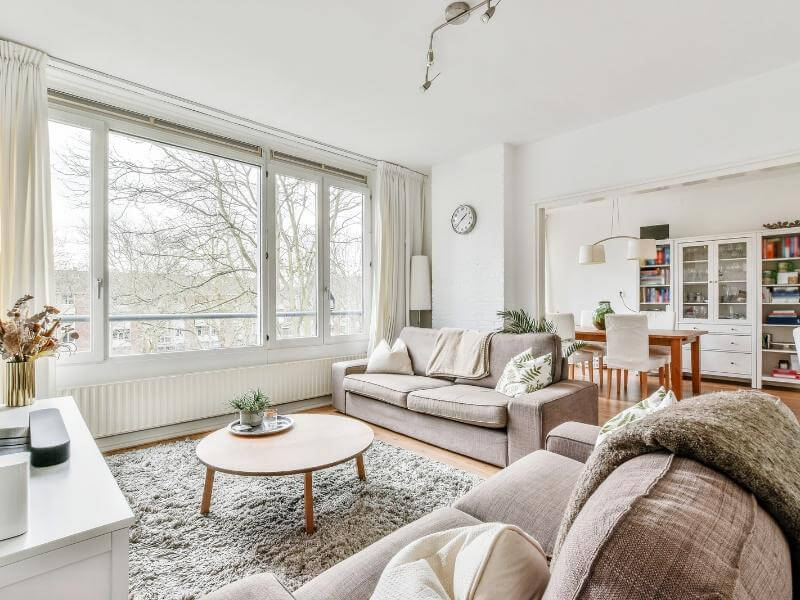
What Are uPVC Windows?
uPVC stands for unplasticized polyvinyl chloride — a rigid, weather-resistant polymer engineered for construction. The “unplasticized” part matters: unlike ordinary PVC, uPVC contains no softening additives, so it holds its shape, colour and strength across decades of heat, moisture and sunlight. It does not corrode, does not warp under humidity, does not need repainting, and resists termites and salt air.
But a uPVC window’s real performance does not come from the material alone — it comes from how the system is engineered around it. A quality uPVC window combines a multi-chamber profile (hollow chambers that trap air and insulate), steel reinforcement inside the frame for strength, tight gasket sealing, precision hardware, and the right glass. Get those right and the window stays airtight, quiet and smooth for years. Get them wrong and two windows that look identical can perform completely differently.

What Are Aluminium Windows?
Aluminium is a lightweight, strong metal that allows very slim window frames and large glass areas. That strength-to-weight ratio is its biggest advantage: aluminium can carry big, tall glazing on thin sightlines, which is why it is popular for contemporary architecture, large openings and commercial facades.
Where aluminium is genuinely strong:
- Slim, modern sightlines and minimalist frames.
- Large spans and tall glazing without bulky frames.
- Strong structural performance for big or commercial openings.
- Crisp metallic, anodised and powder-coated finishes; highly recyclable.
Where aluminium has limitations:
- It conducts heat. Without a thermal break, an aluminium frame transfers outdoor heat
indoors — a real issue in Indian summers. - Near the coast, untreated aluminium and its hardware can corrode; it relies on quality
coatings and finishes to resist salt air. - A thermal-break system that closes the performance gap costs more and is more
complex to build.
Aluminium is often the right answer when the priority is the largest possible glass with the slimmest possible frame, a particular architectural look, or a demanding structural span — particularly in commercial and large-format applications.
The Distinction That Matters More Than the Material
Before comparing uPVC and aluminium, there is a more important difference that applies to both:
a window can be locally fabricated from standard sections, or engineered as a complete tested system.
Fabricated Windows
Locally fabricated windows are assembled from standard sections, with reinforcement,
gaskets and hardware varying according to the fabricator and supplier.
Performance Depends on Workmanship
Quality, sealing, alignment and durability rely heavily on the skill of the installer
and the consistency of the components selected during fabrication.
Engineered System Windows
System windows are engineered and tested as complete units, where profiles,
reinforcement, gaskets, hardware and glazing are designed to work together.
Core Engineering Principle
The most important decision is not whether a window is uPVC or aluminium.
It is whether the window has been engineered as a complete tested system or
simply assembled from individual components.
uPVC vs Aluminium Windows:
Side-by-Side Comparison
| Factor | uPVC Windows | Aluminium Windows |
|---|---|---|
| Thermal Insulation | Excellent — non-conductive multi-chamber profiles resist heat transfer naturally. | Requires thermal-break technology for comparable performance. |
| Sound Insulation | Strong acoustic performance with multi-chamber construction and quality sealing. | Good with the right glazing specification and frame system. |
| Maintenance | Very low maintenance with no repainting required. | Low maintenance; periodic care helps preserve finish quality. |
| Weather Resistance | Excellent performance in rain, humidity and monsoon conditions. | Good weather resistance when properly finished and installed. |
| Corrosion Resistance | Does not corrode and is naturally resistant to salt air. | Requires quality coating systems in coastal environments. |
| Aesthetic Flexibility | Available in wood-grain, matte and coloured finishes. | Offers ultra-slim metallic profiles and premium architectural aesthetics. |
| Frame Strength | Steel-reinforced profiles suit most residential openings. | Excellent strength for very large spans and oversized glazing. |
| Cost | Strong value with high thermal performance and minimal add-ons. | Entry-level options are economical; thermally broken systems cost significantly more. |
| Long-Term Value | High value through energy efficiency and low upkeep. | Excellent when specified correctly for the application. |
| Lifespan | Typically 25–40 years with quality engineered systems. | Long-lasting when protected with quality finishes. |
| Best For | Most residential homes and villas. | Large-span contemporary and commercial projects. |
| Kerala & Coastal Areas | Excellent resistance to humidity and salt-laden air. | Requires corrosion-resistant treatment and regular maintenance. |
uPVC vs Aluminium Windows for Indian Homes
Indian conditions are demanding: intense summer heat, heavy monsoon rain, high humidity,
dust and rising urban noise. These are exactly the conditions that separate a window that
merely looks good from one that performs.
Heat
Rain & humidity
Dust & noise
Maintenance & usability
uPVC vs Aluminium Windows in Kerala & Coastal Homes
Kerala’s climate is among the toughest in India for windows: heavy seasonal rainfall, year-round
humidity, strong UV, and salt-laden coastal air. This is precisely the environment that exposes
the difference between the two materials.
Coastal salt air:
Salt accelerates corrosion in metal window systems. uPVC is chemically inert
to salt air — it simply does not corrode. For homes near the coastline, this is the single biggest
practical advantage.
Humidity & rain:
uPVC does not absorb moisture or swell, and a correctly sealed system with
built-in drainage stands up to driving monsoon rain. Water problems in uPVC windows are
almost always installation issues, not material failures.
UV & colour:
A UV-stable surface — Renolit technology on Ascendia systems — is rated to
hold colour and finish under prolonged sun and coastal exposure, so frames don’t fade or
yellow.
Aluminium can be used in coastal Kerala, but it needs quality corrosion-resistant finishes and
ongoing care to perform reliably in salt air. For most Kerala homes — in Kochi, Thrissur,
Kozhikode and other coastal or high-humidity zones — a well-engineered uPVC system is the
lower-risk, lower-maintenance long-term choice.
uPVC vs Aluminium Window Cost: What’s Really Worth Comparing
Initial price is the most quoted number and the least useful on its own. Entry-level aluminium fabrication windows can look competitively priced, while thermally-broken aluminium systems sit at the higher end. Quality uPVC system windows typically fall in the mid-to-premium range. But the sticker price only tells you what you pay once — not what the window costs you to own.
What actually drives lifetime value:
- Thermal performance — better insulation means lower air-conditioning bills, year after year.
- Maintenance — no repainting or refinishing on uPVC; coated metal needs upkeep over time.
- Durability — a long lifespan spreads the cost across decades.
- System completeness — reinforcement, sealing, hardware and installation decide whether the window keeps performing.
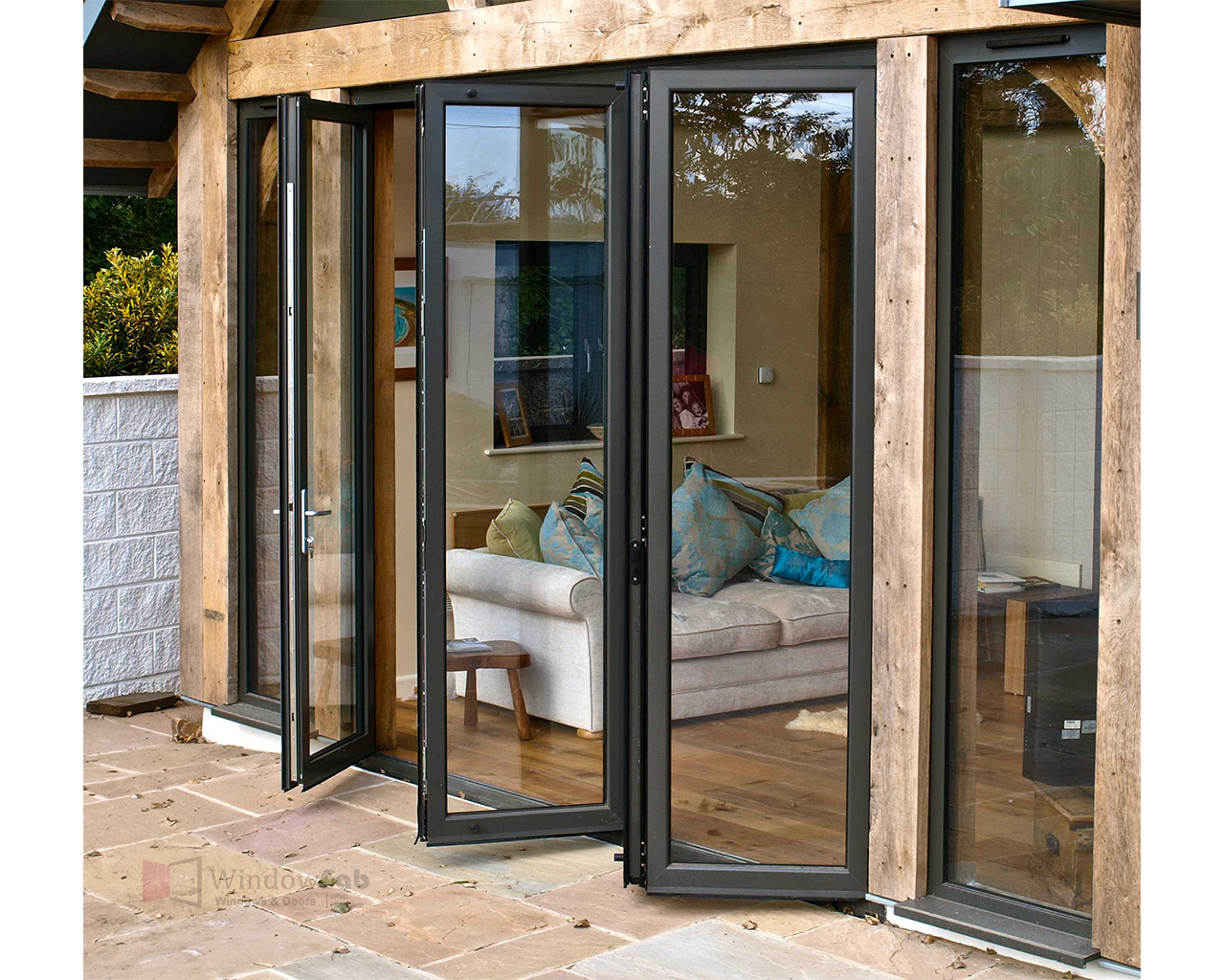
Design & Aesthetics:
Matching Windows to Your Home
Aesthetics often decide the final choice — and here both materials have real strengths. Aluminium is unmatched for ultra-slim sightlines and the largest uninterrupted glass, giving a sharp, minimalist, contemporary look.
uPVC has closed much of the design gap. Modern uPVC systems offer realistic wood-grain, matte and a wide range of colour finishes through UV-stable surface foil — on Ascendia systems, Renolit technology — that bonds the finish to the profile rather than painting it on, so it doesn’t peel or fade. For villas, apartments and modern homes, the more important design decision is usually matching the right window type to the architecture and the way each opening is used — large sliding or slide-and-fold systems for living spaces and balconies, slim casements for clean façades, bay windows for depth and light.
Which Window Suits Your Project?
Recommendations by Building Type
Aluminium where ultra-slim sightlines and contemporary aesthetics are the primary design objective.
enhanced sealing and reliable performance against wind and rain at height.
uPVC prioritises comfort and efficiency,
while aluminium excels in large-scale structural glazing.
uPVC remains a strong option where insulation and acoustic comfort are important.
acoustic comfort and easy-to-maintain surfaces suitable for institutional environments.
making it the lower-risk and lower-maintenance choice near the coastline.
with minimal structural modification while delivering significant performance improvements.
Ascendia uPVC Window Types
Choosing the Right System
| Window Type | Best Use Case & Why It Matters |
|---|---|
Sliding | Large openings, balconies and living rooms. Space-saving operation makes sliding windows ideal for wide spans and everyday convenience. |
Casement | Bedrooms, study rooms and workspaces. Delivers maximum airflow, superior sealing and excellent protection against noise and weather. |
Tilt & Turn | Apartments and urban homes. Tilt mode provides safe controlled ventilation while the full-turn function simplifies cleaning and maintenance. |
| Fixed | Ideal where ventilation is not required. Maximises daylight, views and thermal performance with minimal framing. |
Bay | Creates projection and architectural depth while increasing natural light, usable space and panoramic views. |
Slide & Fold | Patios, terraces and entertainment areas. Creates wide, uninterrupted indoor–outdoor transitions with flexible opening options. |
| Combination | Combines sliding, fixed and casement panels to optimise daylight, ventilation, aesthetics and functionality. |
| Villa Systems | Designed for larger spans and demanding residential applications, delivering superior insulation, structural performance and long-term reliability. |
How to Choose Between uPVC and Aluminium Windows: A Checklist
Frequently Asked Questions
Which is better, uPVC or aluminium windows?
Are uPVC windows better than aluminium windows for Indian homes?
Are uPVC windows good for Kerala weather?
Are aluminium windows stronger than uPVC windows?
Which is better for sound insulation?
Which is better for heat insulation?
Which window material needs less maintenance?
Which is cheaper, uPVC or aluminium windows?
What are the disadvantages of aluminium windows?
Are uPVC windows suitable for apartments and villas?
What are the disadvantages of uPVC windows?
Are aluminium windows good for commercial buildings?
What should I check before choosing uPVC windows?
What are the disadvantages of uPVC windows?
Why should I consider Ascendia for uPVC windows?
uPVC or Aluminium:
Make the Right Choice for Your Project
The smartest decision isn’t choosing uPVC or aluminium blindly — it’s choosing the right material and a well-engineered system for your climate, your building and the way you’ll actually use each window. For most Indian and Kerala homes, a system uPVC window delivers the best balance of comfort, efficiency, low maintenance and long-term value. Aluminium earns its place where slim frames, the largest spans, or a specific architectural look lead the brief. Either way, how the window is engineered and installed matters as much as the material itself.